Introduction
Starting a bath and body brand does not always require building a manufacturing facility, buying large equipment, or developing every formula from the beginning. For many small businesses, private label shower steamers offer a practical way to enter the wellness and self-care market with a product that is easy to understand, lightweight to ship, and suitable for ecommerce, boutiques, spas, and gift shops.
Shower steamers are popular because they turn a regular shower into a simple scented experience without requiring a bathtub. This makes them accessible to a wide range of customers.
In this guide, you will learn what private label shower steamers are, how they are made, how to choose a supplier, what packaging options to consider, how to plan a product launch, and how to build a stronger bath and body product line under your own brand.
Table of Contents
- What Are Private Label Shower Steamers?
- Why Shower Steamers Are Popular in Bath and Body
- Private Label Shower Steamers vs Wholesale Shower Steamers
- How the Private Label Model Works
- Benefits of Selling Shower Steamers Under Your Own Brand
- Step-by-Step Guide to Starting Your Shower Steamer Brand
- Choosing the Right Shower Steamer Supplier
- Manufacturing Considerations for Shower Steamers
- Packaging Considerations for Shower Steamers
- Product Categories You Can Build Around Shower Steamers
- Buying Considerations Before Placing an Order
- Best Practices for Selling Shower Steamers Online
- Common Mistakes New Brands Should Avoid
- Explore More on Private Label Shower Steamers
- Industry Standards to Review Before Selling Shower Steamers
- SBODI as an Educational Bath and Body Manufacturing Resource
- Future Trends in Shower Steamers and Bath Products
- Frequently Asked Questions
- Conclusion
What Are Private Label Shower Steamers?
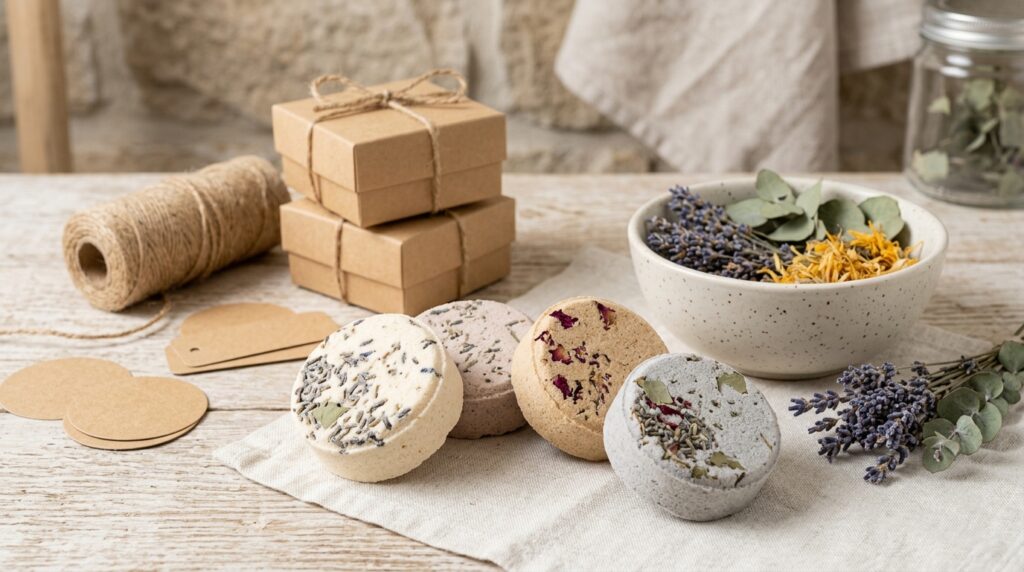
Private label shower steamers are shower aromatherapy tablets manufactured by a supplier and sold under another company’s brand name. The manufacturer creates the product, while the brand owner customizes elements such as the label, packaging, scent selection, product name, and retail presentation.
A shower steamer is placed on the shower floor, away from the direct water stream. As water and steam activate the tablet, it slowly dissolves and releases fragrance into the shower environment.
Unlike bath bombs, shower steamers are designed for showers instead of tubs. This gives them a wider audience because many customers use showers more often than baths.
For brands, private label shower steamers can be a strong entry product because they are compact, giftable, and easy to bundle with other bath products.
Why Shower Steamers Are Popular in Bath and Body
Shower steamers fit into several consumer habits at the same time. They support self-care routines, scent-based experiences, gift purchases, and everyday shower use.
Many customers want simple products that make daily routines feel more intentional. A shower steamer does not require a long bath, special equipment, or a complicated routine. It can be used during a normal shower.
This convenience makes shower steamers appealing to busy customers, apartment residents, students, professionals, spa clients, and wellness-focused shoppers.
Shower steamers also work well for seasonal collections. For example, peppermint shower steamers may fit winter themes, while shower steamers eucalyptus blends may fit spa-inspired collections. Fruity, floral, herbal, and clean scent profiles can help brands create different product stories.
For retailers, wholesale shower steamers can be displayed as single units, boxed sets, subscription items, or gift basket additions. This flexibility makes them useful for both online and physical retail channels.
Private Label Shower Steamers vs Wholesale Shower Steamers
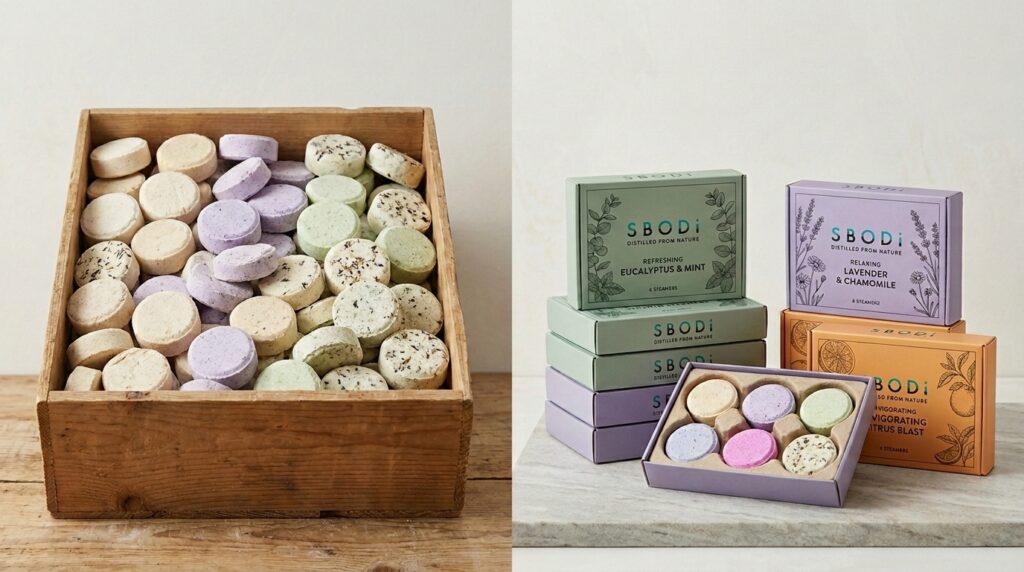
Private label shower steamers and wholesale shower steamers are related, but they are not always the same.
Wholesale shower steamers are typically purchased in larger quantities at wholesale pricing. They may come finished, labeled, and ready to resell. This is useful for retailers that want to add products quickly.
Private label shower steamers give the brand more control. The product may be manufactured by a supplier, but the branding belongs to the business selling it. This can include custom labels, custom boxes, scent selection, packaging choices, and brand-specific product names.
Main Differences
| Factor | Private Label Shower Steamers | Wholesale Shower Steamers |
|---|---|---|
| Branding Control | High | Limited to moderate |
| Packaging Flexibility | Strong | Depends on supplier |
| Best For | Building a custom brand | Quick resale |
| Product Identity | Sold under your brand | Often sold under supplier or generic branding |
| Long-Term Brand Value | Stronger | Lower if branding is limited |
| Retail Differentiation | Higher | Can be lower if many sellers use the same product |
Both models can work. However, private label shower steamers are usually better for businesses that want to build a recognizable brand instead of only reselling products.
How the Private Label Model Works
The private label model allows a business to sell products made by another manufacturer under its own brand. In bath and body, this is common for shower steamers, bath bombs, bath salts, candles, soaps, scrubs, oils, and other self-care products.
The general process includes:
- Selecting a product type
- Choosing scents or product variations
- Reviewing supplier options
- Requesting samples
- Selecting packaging and label style
- Confirming ingredient and compliance details
- Placing a production order
- Preparing ecommerce or retail listings
- Launching the product under your brand
This model helps reduce the operational burden of manufacturing. Instead of buying raw materials, testing formulas, sourcing molds, managing production staff, and handling quality control alone, the brand works with an experienced supplier.
However, the brand still needs to make smart decisions. Product positioning, packaging, pricing, SEO, photography, and customer education all affect long-term success.
Benefits of Selling Shower Steamers Under Your Own Brand
Private label shower steamers offer several advantages for new and growing bath and body brands.
1. Lower Barrier to Entry
Starting with private label products can be easier than building a manufacturing operation. A supplier already has equipment, production knowledge, and ingredient sourcing systems.
This allows brands to focus on branding, packaging, product education, and customer experience.
2. Strong Gift Potential
Shower steamers are naturally giftable. They work well in:
- Spa gift boxes
- Holiday sets
- Bridal shower favors
- Boutique wellness bundles
- Subscription boxes
- Self-care kits
- Corporate gift packages
Because they are small and easy to package, they can fit into many retail formats.
3. Good Ecommerce Fit
Bulk shower steamers are lightweight compared with many bath and body products. This can make them easier to ship than heavier glass products or large liquid items.
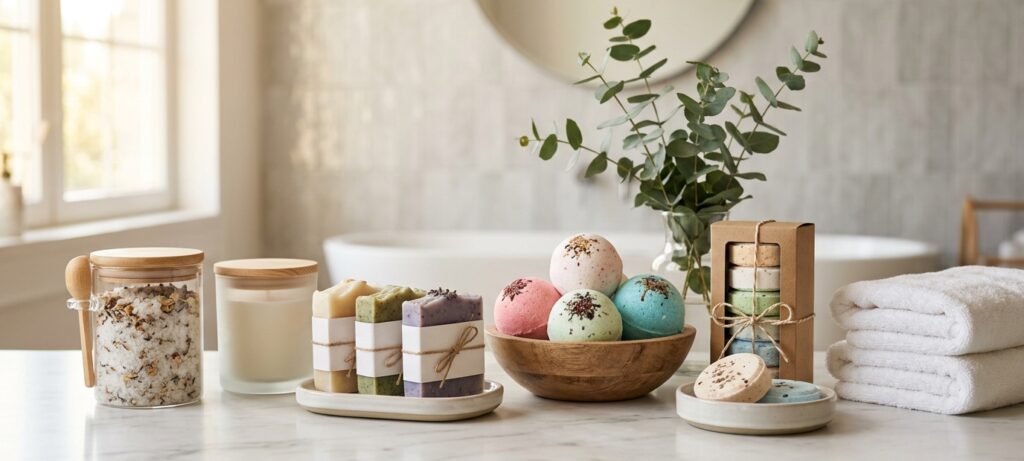
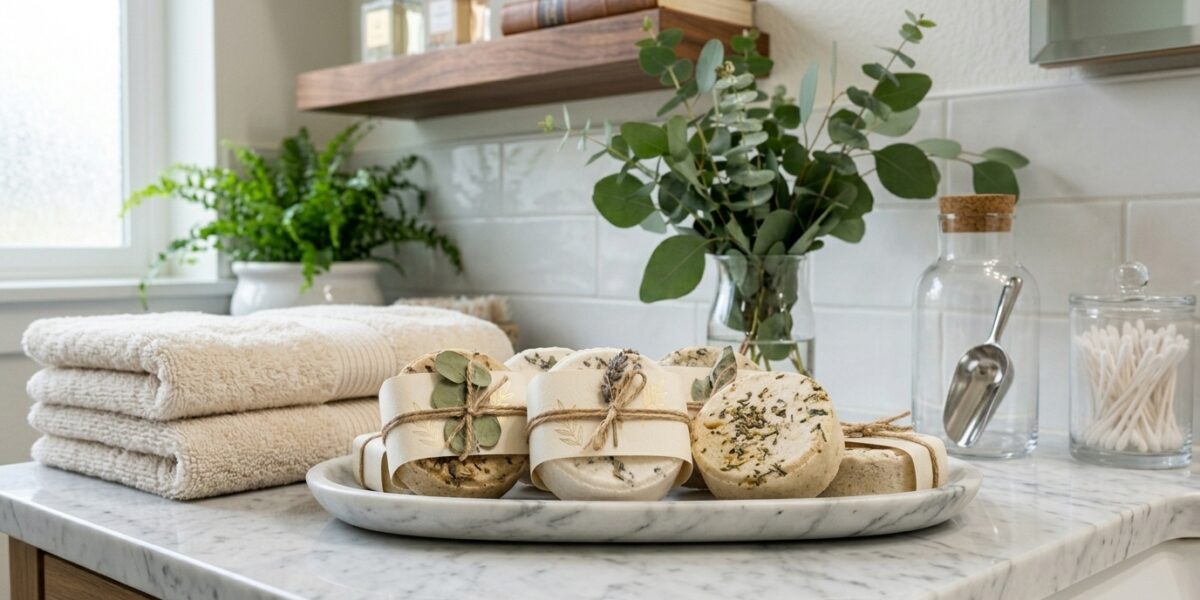
They also photograph well when paired with towels, eucalyptus, ceramic trays, candles, and clean bathroom settings.
4. Flexible Scent Collections
A brand can create scent families around customer moods, seasons, or product themes.
Common scent directions include:
- Eucalyptus
- Peppermint
- Lavender
- Citrus
- Rose
- Vanilla
- Herbal spa blends
- Fruity bath-inspired blends
- Amber candles and warm fragrance themes
This flexibility allows a business to test customer preferences before expanding into larger collections.
5. Brand Differentiation
A private label product gives the business more control over how the product is presented. Instead of using generic packaging, the brand can create a clear identity through label design, scent names, color palette, packaging materials, and product descriptions.
This is important because bath and body customers often compare products visually before reading detailed descriptions.
Step-by-Step Guide to Starting Your Shower Steamer Brand
Starting a private label shower steamers business requires planning. The following steps can help new brands avoid confusion and build a stronger foundation.
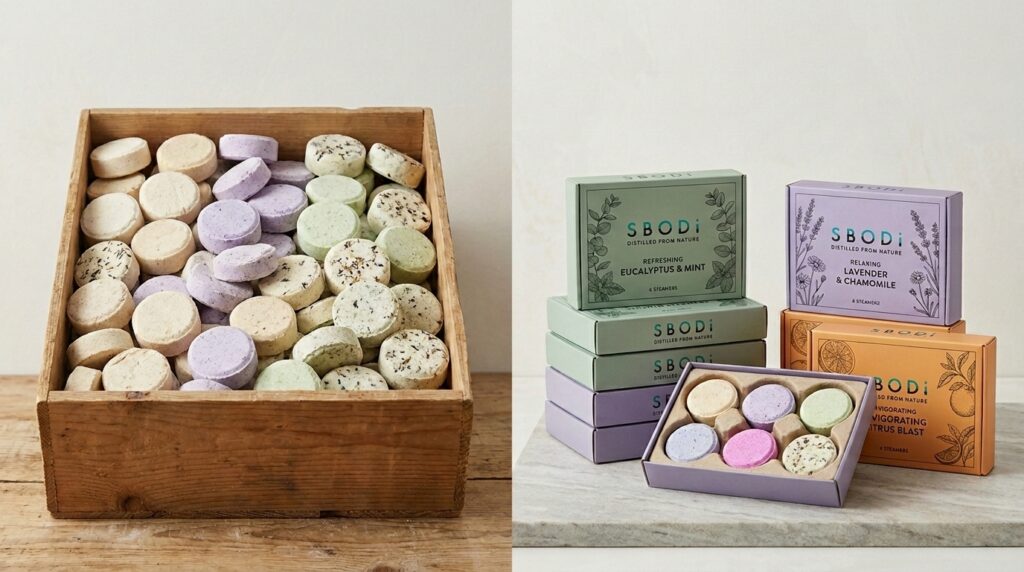
Step 1: Define Your Brand Positioning
Before choosing products, define who the brand is for. A shower steamer line for luxury spa customers may look different from a playful gift brand or a natural bath and body brand.
Ask these questions:
- Who is the target customer?
- Will the product feel premium, handmade, minimalist, colorful, or boutique-style?
- Will the brand focus on self-care, gifting, aromatherapy, or everyday shower routines?
- Will the product be sold online, in stores, in spas, or through wholesale accounts?
Clear positioning makes scent selection, packaging, pricing, and content easier.
Step 2: Research the Market
Review existing shower steamer brands, product listings, customer reviews, packaging styles, and price ranges. Look for patterns in what customers like and dislike.
Common customer concerns include:
- Scent strength
- Dissolving speed
- Packaging quality
- Broken tablets during shipping
- Fragrance variety
- Clear instructions
- Value for money
This research helps you choose product features that match real buyer expectations.
Step 3: Choose Your Product Format
Private label shower steamers can be sold in several formats.
Popular options include:
- Single shower steamers individually wrapped
- Three-piece sample packs
- Six-piece retail boxes
- Seasonal gift sets
- Bulk shower steamers for custom packaging
- Shower steamers individually wrapped for resale
- Boutique bath bomb supplier style mixed displays
For beginners, a small scent collection with clear packaging is usually easier to manage than a very large product catalog.
Step 4: Select Your Scents
Scent selection is one of the most important parts of building a shower steamer product line. Customers often choose shower steamers based on fragrance first.
Common starting scents include:
- Eucalyptus
- Peppermint
- Lavender
- Citrus
- Rose
- Vanilla
- Amber
- Tropical fruit
- Herbal spa blends
A balanced launch may include one fresh scent, one herbal scent, one floral scent, and one warm scent. This gives customers variety without overwhelming your inventory.
Step 5: Request Samples
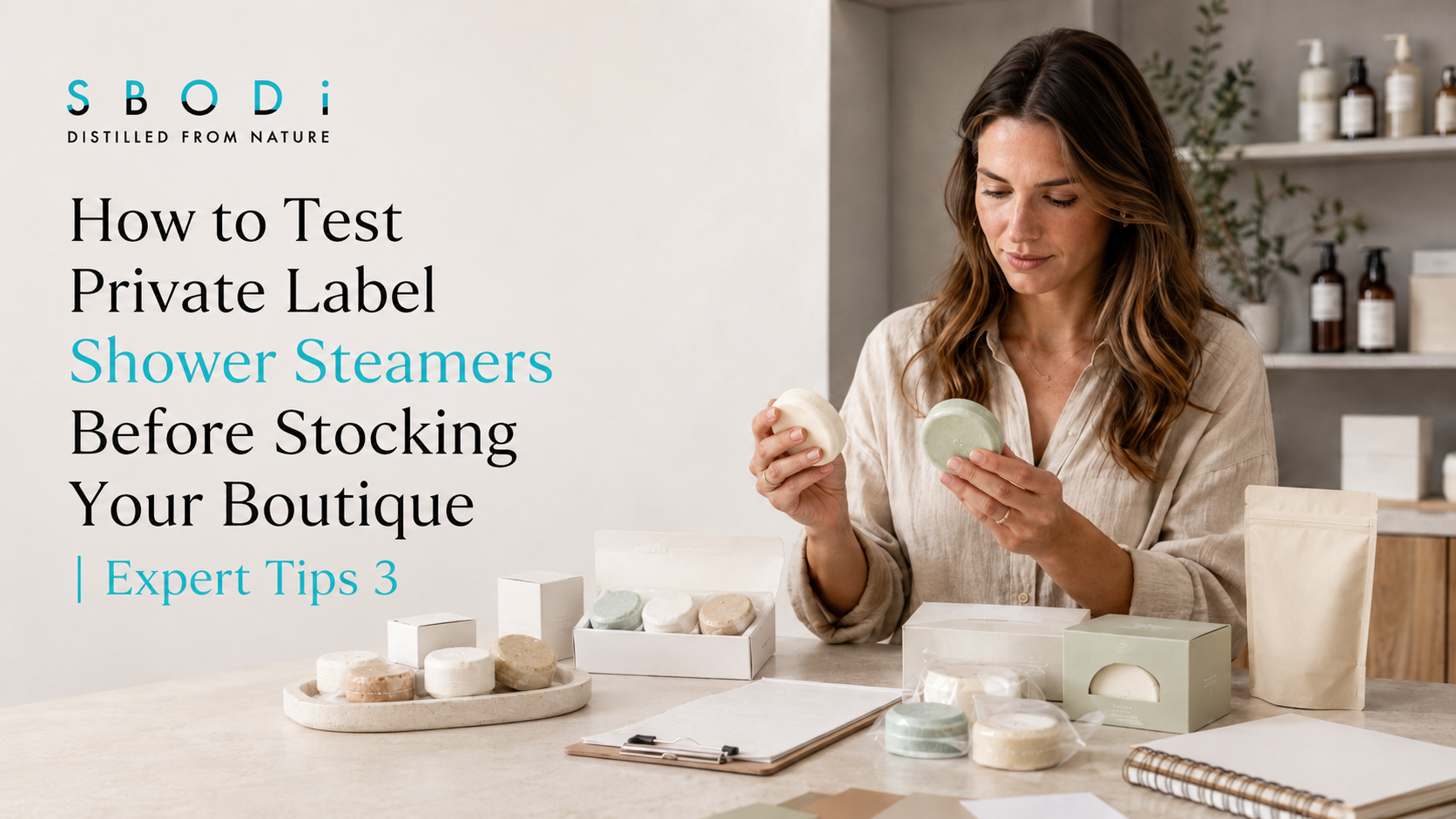
Always review samples before placing a larger order. Samples help you evaluate fragrance strength, tablet texture, packaging, color, dissolving behavior, and shipping durability.
If you are also considering related products such as private label bath bombs, wholesale bath bombs, private label bath salts, or private label candles, request samples from those categories as well.
This gives you a better understanding of product consistency across the supplier’s full catalog.
Step 6: Plan Packaging and Labels
Packaging affects both customer trust and product protection. A good package should look appealing, protect the product, and explain how to use it.
At minimum, packaging should clearly show:
- Product name
- Brand name
- Scent name
- Net weight
- Basic use instructions
- Ingredient information
- Safety or caution statements when appropriate
- Manufacturer or distributor details where required
For ecommerce, packaging should also help prevent cracking or breakage during shipping.
Step 7: Build Product Listings
Strong product listings help customers understand what they are buying. A good product page should include clear images, concise descriptions, scent details, usage instructions, packaging details, and shipping information.
Avoid exaggerated claims. Keep the description focused on the shower experience, scent profile, product format, and intended use.
Step 8: Test Small Before Scaling
New brands should usually test products in smaller batches before ordering large quantities. This helps identify which scents, pack sizes, and price points perform best.
Once you know what customers prefer, you can expand into wholesale shower steamers usa options, larger bulk shower steamers orders, and broader private label bath and body collections.
Choosing the Right Shower Steamer Supplier
Choosing the right supplier is one of the most important decisions in the private label process. A supplier affects product quality, lead times, packaging flexibility, customer satisfaction, and long-term brand reputation.

What to Look For in a Supplier
A strong supplier should offer:
- Product samples
- Clear ingredient information
- Consistent scent quality
- Packaging options
- Reasonable minimum order quantities
- Reliable communication
- Production timelines
- Shipping support
- Custom label options
- Experience with wholesale bath products
For businesses in the United States, searching for private label shower steamers usa or wholesale shower steamers usa may help identify suppliers that understand domestic retail expectations.
Questions to Ask Before Ordering
Before placing an order, ask:
- What is the minimum order quantity?
- Are samples available?
- Can the product be individually wrapped?
- What packaging options are available?
- Can I use my own label design?
- What ingredients are used?
- What is the estimated production time?
- How are products packed for shipping?
- Are bulk shower steamers available for custom packaging?
- Can the supplier support future product expansion?
Clear answers reduce risk and make planning easier.
Avoid Choosing Only by Price
Cheap bulk shower steamers may look attractive at first, but price should not be the only factor. Low-cost products can become expensive if they arrive broken, have weak fragrance, lack consistent sizing, or create customer complaints.
A better approach is to compare total value. Consider product quality, packaging support, communication, shipping reliability, and customer experience.
Manufacturing Considerations for Shower Steamers
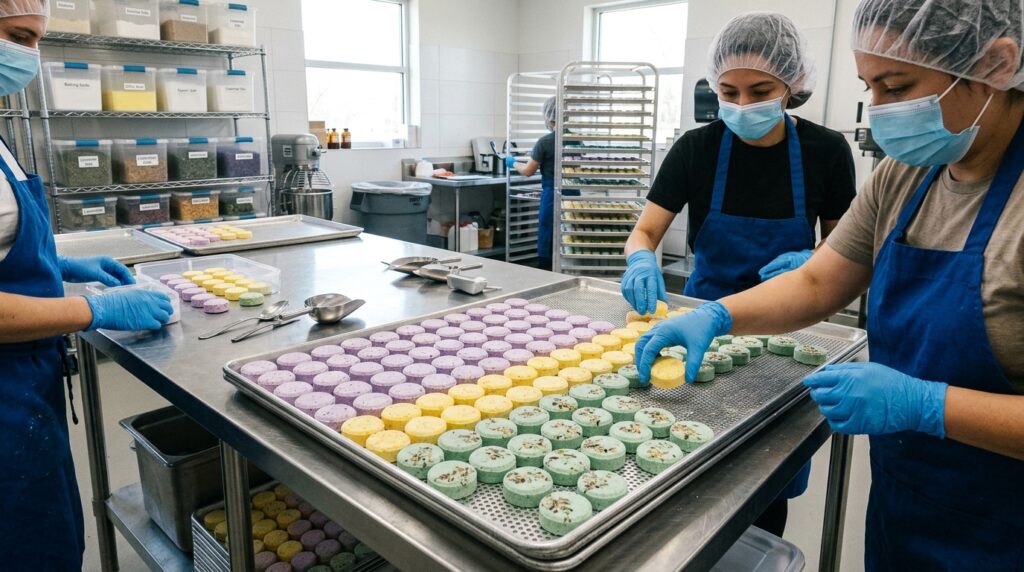
Private label shower steamers require careful manufacturing because the product must hold its shape, remain stable during storage, and dissolve properly during use.
Common Ingredients
Many shower steamers include ingredients such as:
- Sodium bicarbonate
- Citric acid
- Fragrance or essential oil
- Colorants
- Binding agents
- Clays or fillers
- Menthol crystals in some formulas
Ingredient choices affect texture, fragrance release, hardness, and shelf stability.
Texture and Hardness
A shower steamer should be firm enough to survive packaging and shipping. However, it should also dissolve gradually when exposed to shower steam and water.
If it is too soft, it may crumble. If it is too hard, it may not activate well during use.
Fragrance Load
Fragrance strength is important, but more fragrance is not always better. A professional manufacturer should understand safe and suitable usage levels for the intended product type.
Brands should request clear scent descriptions and test samples before finalizing a collection.
Color and Visual Appeal
Some shower steamers are plain white, while others include soft colors, botanicals, or decorative finishes. White bath bombs and simple white shower steamers can work well for minimalist brands, while colorful products may work better for gift-focused brands.
The visual style should match the brand’s overall identity.
Storage and Shelf Life
Shower steamers should be stored in dry conditions. Moisture can activate the fizzing ingredients early, weaken the tablet, or affect texture.
Packaging should help protect the product from humidity during storage and shipping.
Packaging Considerations for Shower Steamers
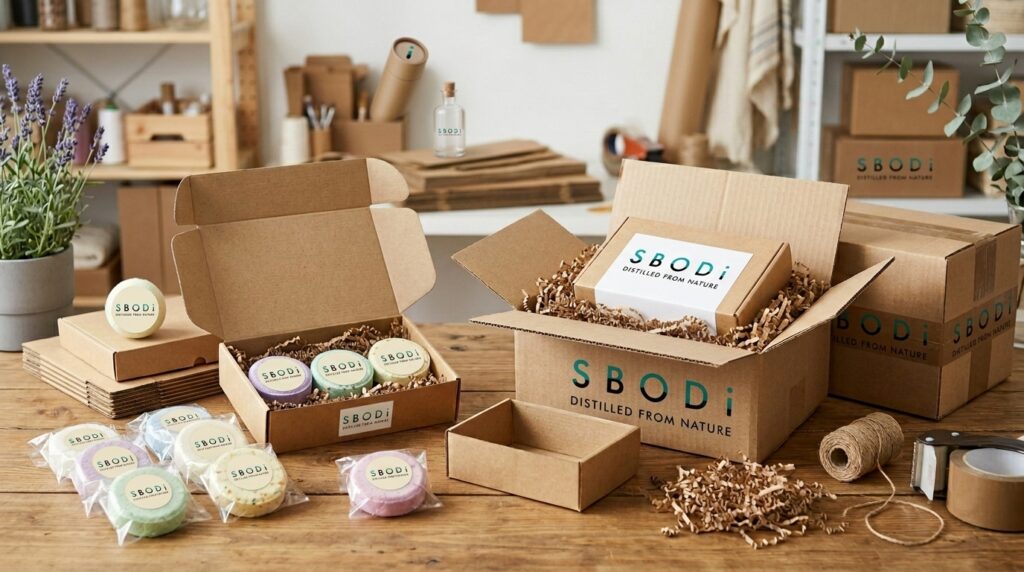
Packaging is more than decoration. It protects the product, communicates brand quality, and helps customers understand how to use the item.
Common Packaging Options
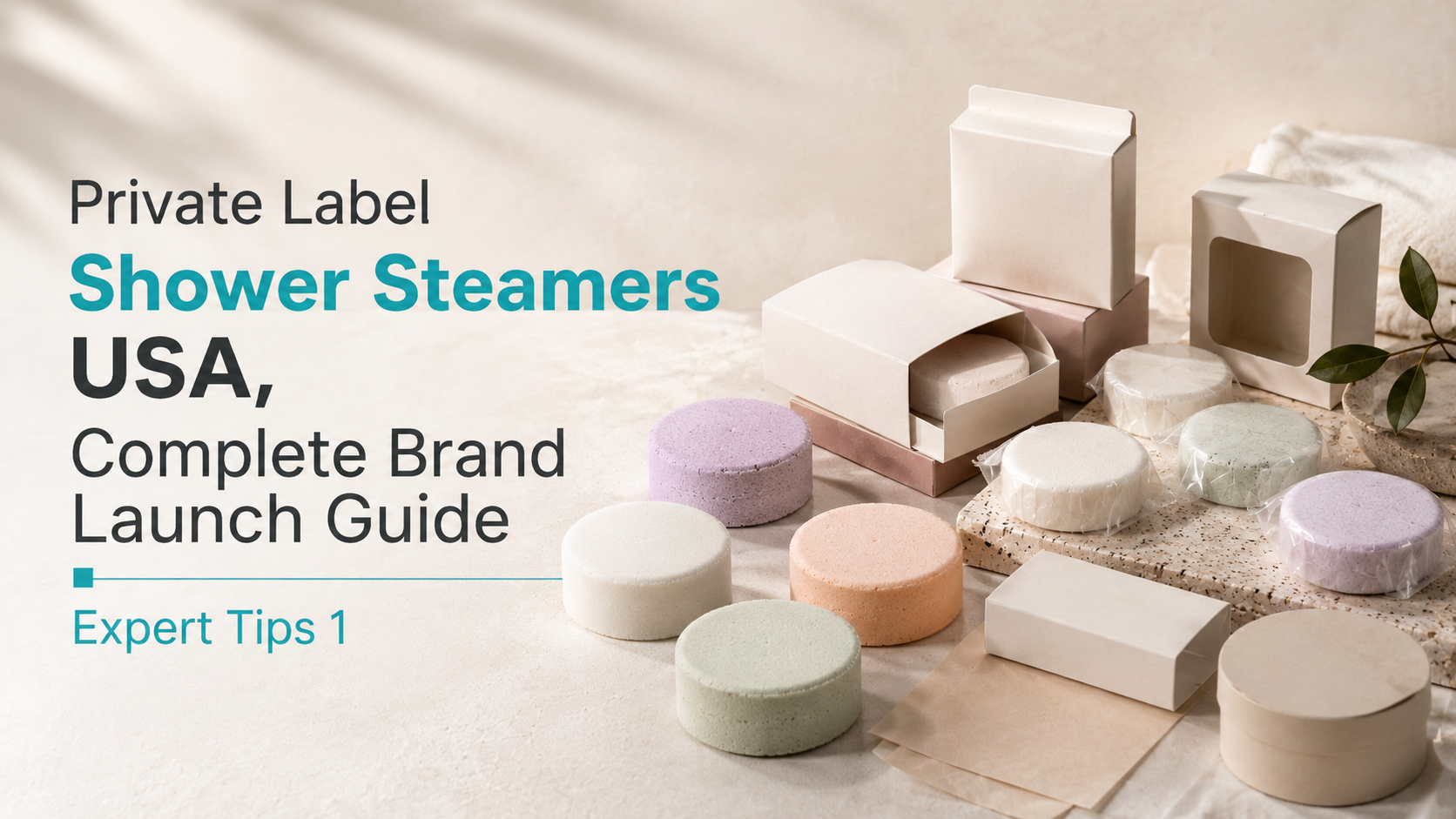
Private label shower steamers can be packaged in several ways:
- Shrink wrap
- Individual wraps
- Kraft boxes
- Paperboard retail boxes
- Tubes
- Pouches
- Gift boxes
- Window boxes
- Multi-pack cartons
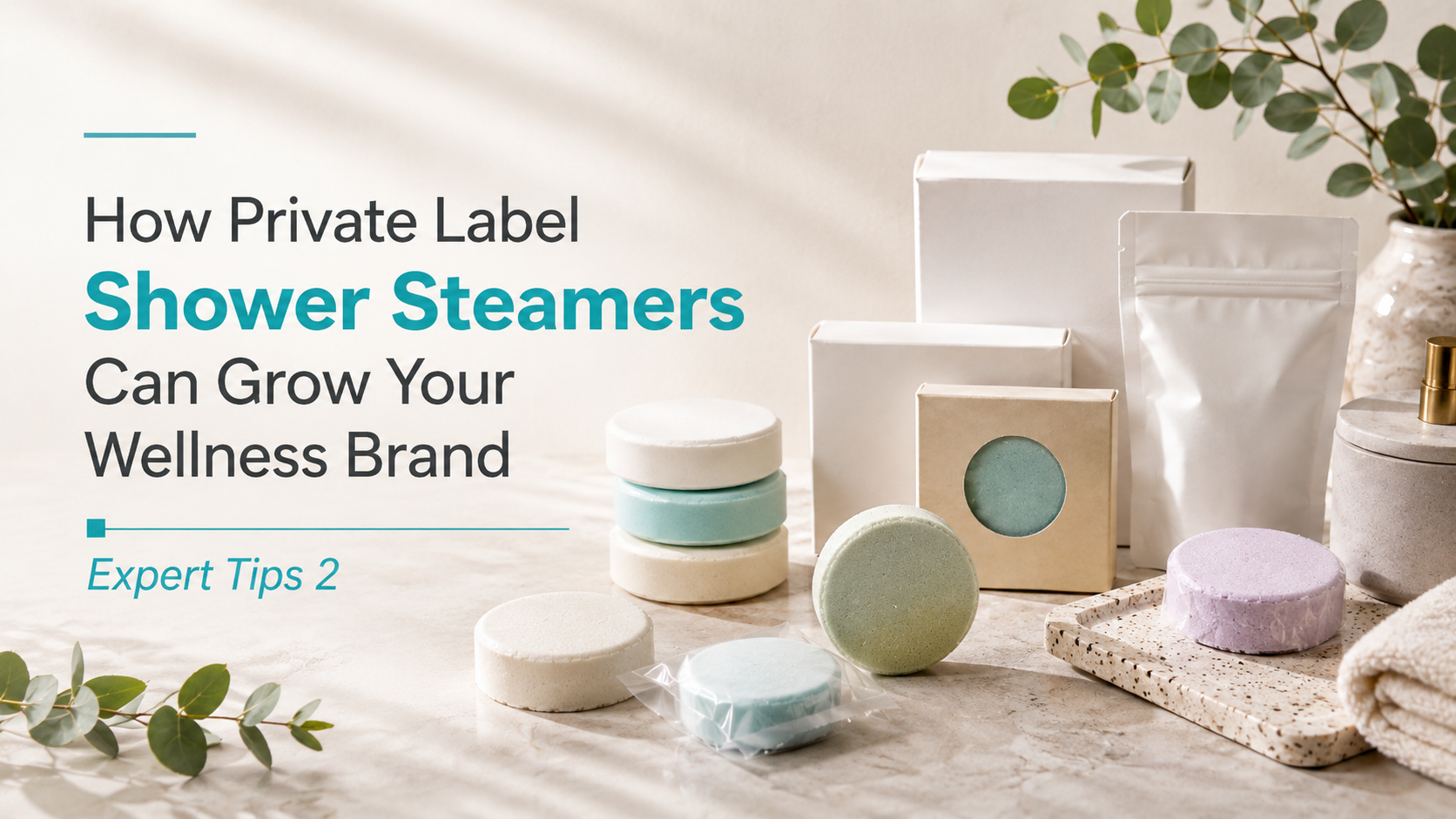
Shower steamers individually wrapped can be useful for boutiques, subscription boxes, and gift sets because each unit remains protected.
Retail Packaging
Retail packaging should look clean and easy to understand. Customers should quickly know what the product is, how many pieces are included, what scent it has, and how to use it.
A six-piece box may work well for ecommerce. Single wrapped units may work well near checkout counters or in spa retail displays.
Ecommerce Packaging
For ecommerce, durability matters. Shower steamers can crack if packed loosely. Brands should consider inner wrapping, dividers, protective fill, and strong shipping boxes.
Good packaging reduces damage claims and improves customer satisfaction.
Sustainable Packaging Claims
Brands should be careful with terms like eco-friendly, sustainable, biodegradable, natural, or recyclable. These claims should be accurate, specific, and supported.
Instead of using vague language, explain the packaging material clearly when possible.
Product Categories You Can Build Around Shower Steamers
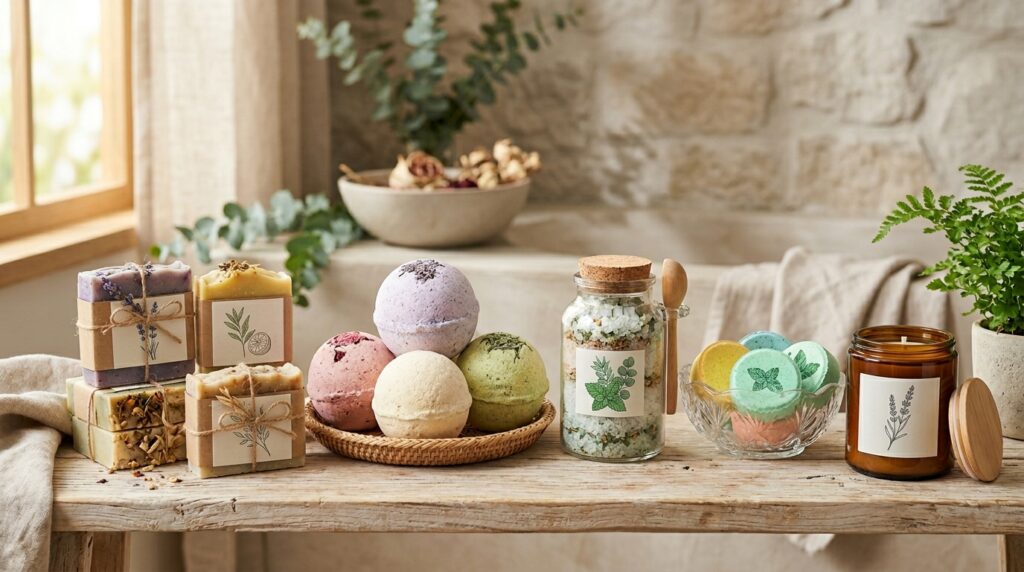
Private label shower steamers can become the foundation for a larger bath and body brand. Once a business understands its customers, it can add related product categories.
Bath Bombs
Private label bath bombs are a natural extension for brands that already sell shower steamers. Bath bombs appeal to customers who enjoy tub-based self-care products.
Related product directions include:
- Private label bath bombs usa
- Private label bath bombs wholesale
- Bath bombs wholesale private label
- Wholesale bath bombs usa
- Wholesale bath bombs bulk
- Bath bombs in bulk individually wrapped
- Romantic bath bombs
- Birthday cake bath bombs
- Bath bomb birthday cake
- Bath bomb love
- Fruit bath bombs
- Earth bath bomb
- Donut bomb
- Bath bombs with flower petals
- Bath bomb sizes
- Wholesale bath bombs with jewelry
These variations help brands target gift buyers, spa customers, seasonal shoppers, and specialty boutiques.
Bath Salts
Private label bath salts are another strong addition for bath and body collections. They are often packaged in jars, pouches, tubes, or sachets.
Brands may explore:
- Private label bath salts
- Private label bath salts usa
- Private label wholesale bath salts usa
- Wholesale bath salts usa
- Wholesale bath salts
Bath salts can pair well with shower steamers in self-care gift sets.
Candles
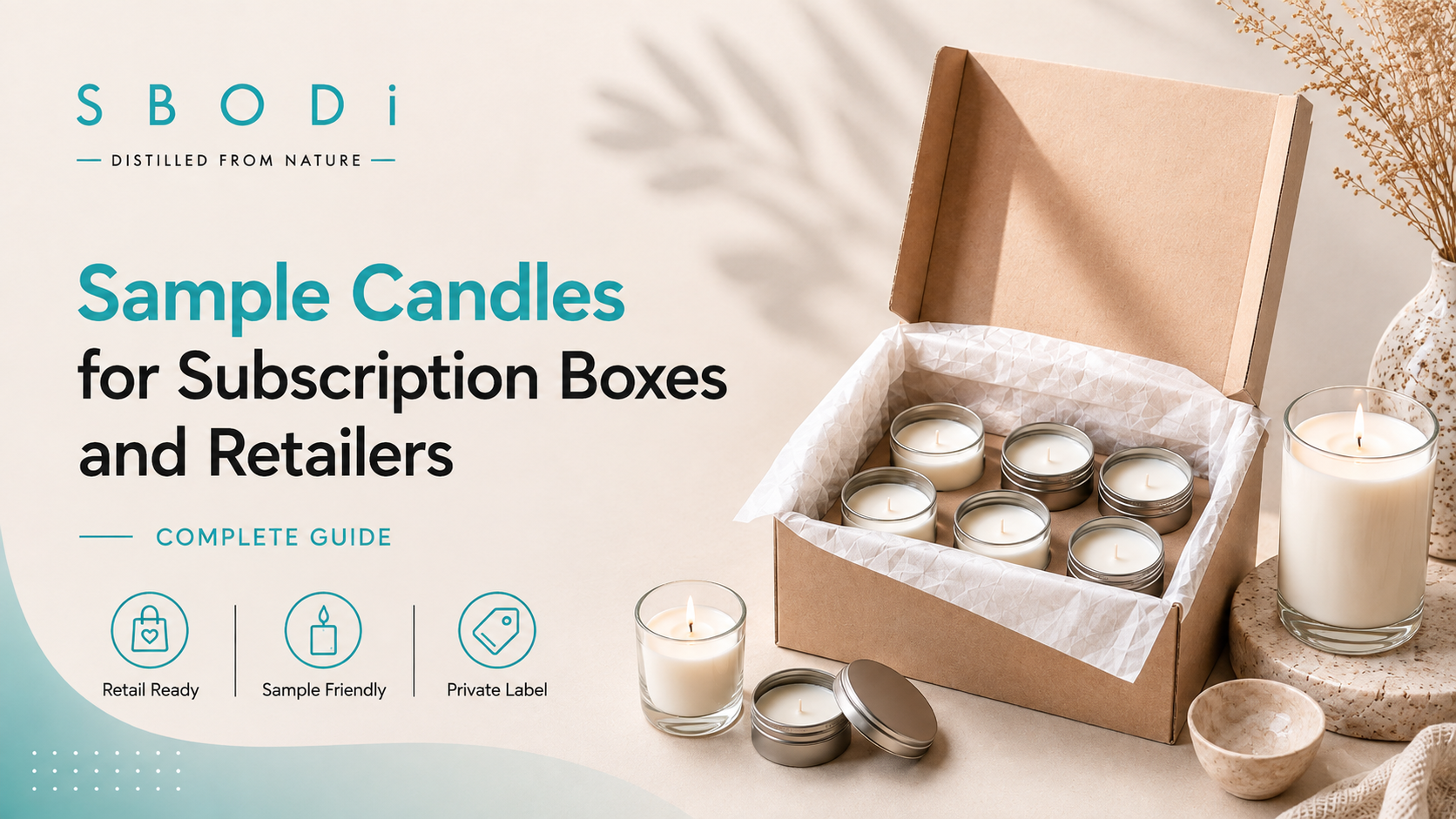
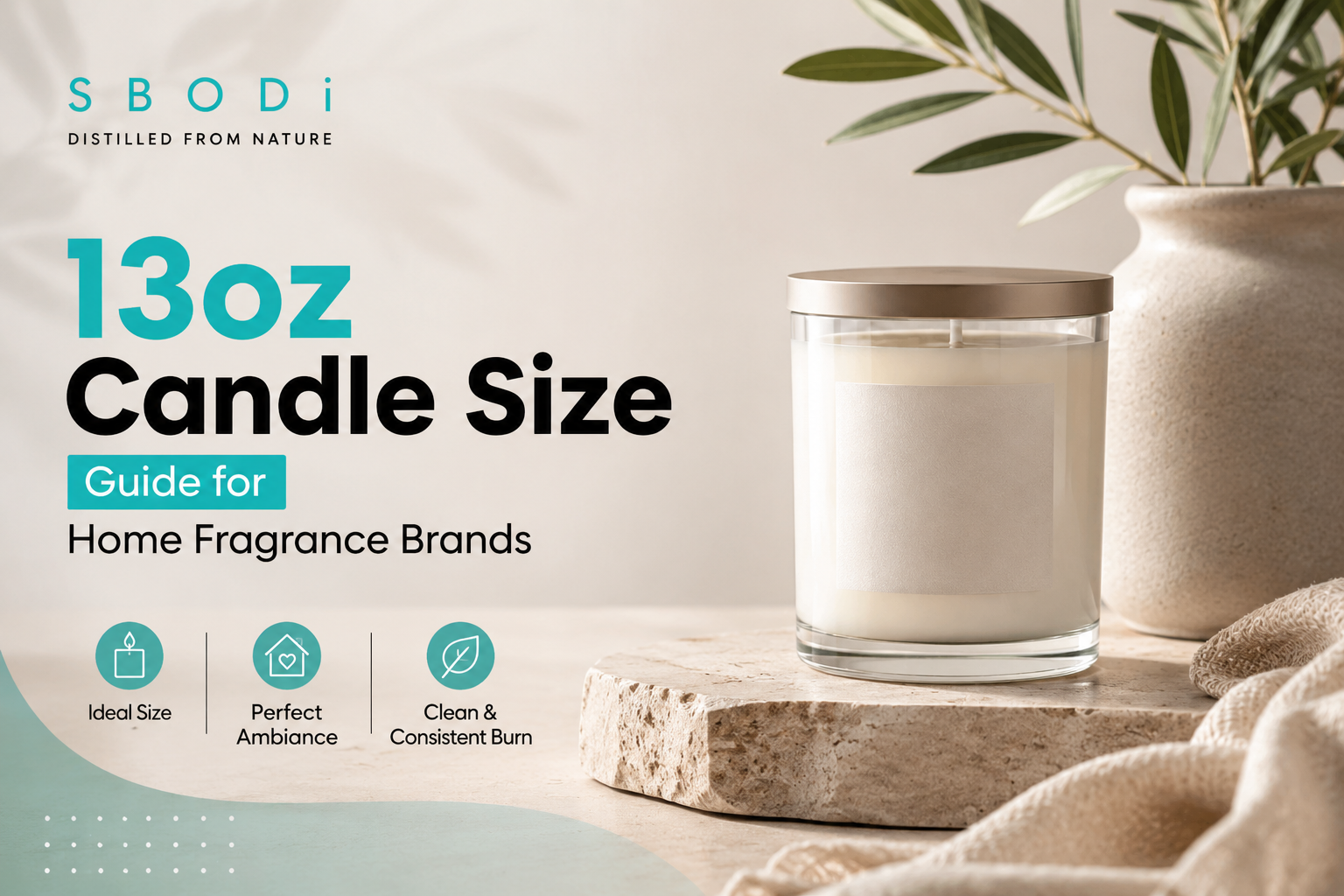
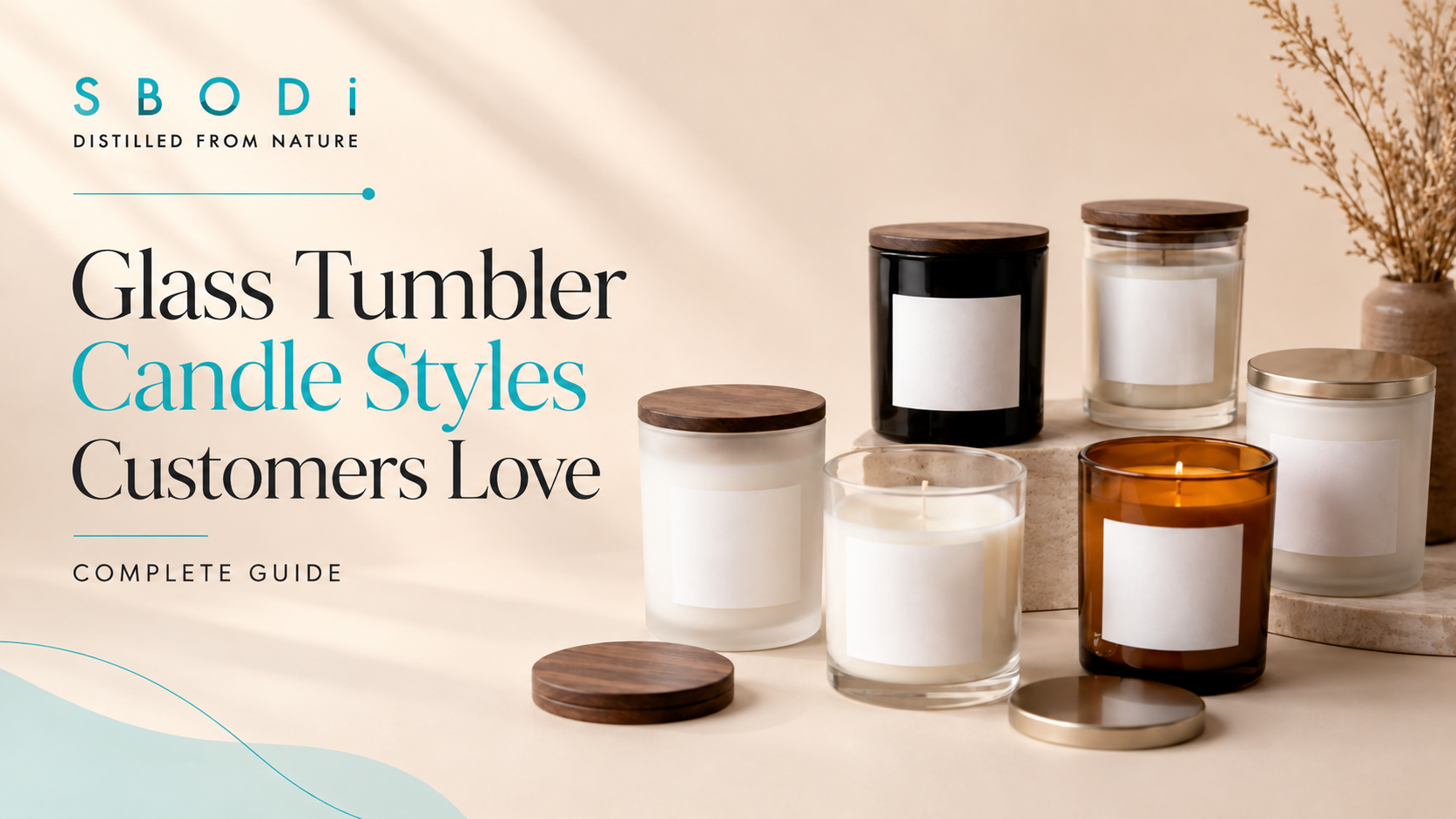
Candles help create a full home spa experience. A brand selling private label shower steamers may later add candle samples, sample candles, amber candles, glass tumbler candle products, or a 13oz candle option.
Relevant candle categories include:
- Best Wholesale Candles US
- Private label candles wholesale us
- Private label candles us
- Private label candles
- Amber candle
- Candle samples
Candles are especially useful for gift boxes and seasonal product collections.
Soaps and Body Care
Some brands expand into handmade soaps, oils, beard care, and body care products. Depending on brand positioning, this may include moroccan organic oil, 100 moroccan argan oil, organic moroccan oil, beef tallow beard balm, beef tallow for beard, and tallow for beard products.
These categories should only be added if they match the brand identity and customer demand.
Novelty and Seasonal Products
Creative product names and seasonal collections can help brands stand out. Examples may include caribbean bath bomb, bath bomb cakes, cake bath bomb, fruity bath bombs, romantic bath bomb, and themed gift sets.
However, not every keyword or trend fits every brand. For example, a phrase like honey bun soda may work in a novelty scent concept only if the product story feels intentional and relevant.
Buying Considerations Before Placing an Order
Before buying private label shower steamers, brands should review several practical factors.
Minimum Order Quantity
Minimum order quantity affects budget and inventory risk. A lower MOQ may help new brands test products, while larger orders may reduce unit cost.
The right MOQ depends on your launch strategy, storage space, and sales channels.
Lead Time
Lead time includes production, packaging, quality checks, and shipping. Always confirm timelines before planning a launch date.
This is especially important for holiday collections, wholesale buyers, and subscription box deadlines.
Customization Options
Customization may include:
- Label design
- Box design
- Scent selection
- Color selection
- Product shape
- Bundle format
- Individual wrapping
- Custom scent names
More customization can improve brand identity, but it may also increase cost and production time.
Shipping and Breakage Risk
Shower steamers need careful packing. Ask how the supplier protects the product during shipping.
If products arrive damaged, the brand may face delays, refunds, or poor customer reviews.
Documentation
Ask suppliers for product information, ingredient lists, and any relevant documentation needed for your sales channel.
This is especially important when selling through ecommerce marketplaces, wholesale buyers, or retail stores.
Best Practices for Selling Shower Steamers Online
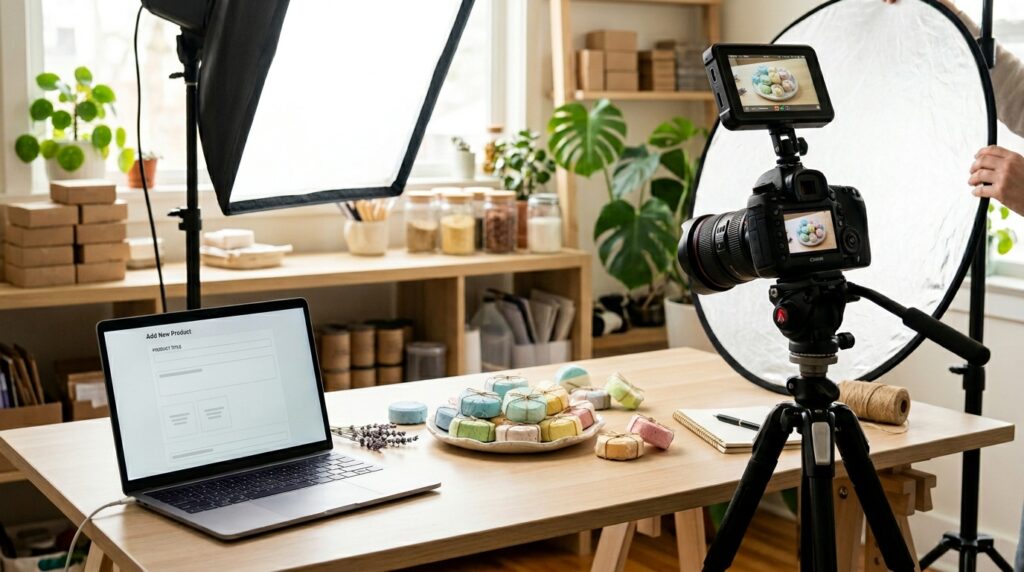
Selling shower steamers online requires strong product education because customers cannot smell or touch the product before buying.
Use Clear Product Photography
Product images should show:
- The product close-up
- Packaging
- Scale and size
- Multi-pack layout
- Lifestyle use setting
- Gift set presentation
Avoid placing text inside images. Use clean scenes, natural bathroom styling, towels, eucalyptus, trays, and soft lighting.
Write Helpful Product Descriptions
A strong product description should explain:
- What the product is
- How to use it
- What scent it has
- What package size is included
- How it fits into a shower routine
- Storage instructions
- Brand positioning
Keep descriptions factual, helpful, and easy to read.
Add Usage Instructions
Many first-time buyers do not know how shower steamers work. A simple instruction section can reduce confusion.
Example:
Place one shower steamer on the shower floor, away from the direct water stream. Allow light splashes of water and steam to activate the tablet. Do not use as a bath bomb or body scrub.
Create Educational Blog Content
Blog content can support search visibility and customer trust. Helpful topics include how to use shower steamers, how to package bath bombs, differences between bath bombs and shower steamers, wholesale bath products planning, and private label product development.
Educational content helps connect product pages, category pages, and pillar pages into a stronger internal linking structure.
Common Mistakes New Brands Should Avoid
New brands can avoid many problems by planning carefully before ordering.
Mistake 1: Ordering Too Many Scents at Once
A large scent catalog may look exciting, but it can create inventory issues. It is often better to start with a focused collection and expand based on customer feedback.
Mistake 2: Ignoring Packaging Durability
Beautiful packaging is important, but it must also protect the product. If shower steamers break in transit, the customer experience suffers.
Mistake 3: Using Weak Product Descriptions
Customers need clear information. If a listing does not explain how the product works, what scent it has, or how many pieces are included, buyers may hesitate.
Mistake 4: Making Unsupported Claims
Avoid claims that suggest the product treats, cures, or prevents health conditions. Keep the language focused on scent, shower experience, product format, and general self-care routines.
Mistake 5: Choosing a Supplier Without Samples
Samples help you check quality before committing to a larger order. Skipping samples can lead to problems with fragrance, texture, packaging, or shipping durability.
Mistake 6: Not Planning Internal Links
A product launch should connect to blog posts, category pages, and pillar pages. Internal linking helps users find related resources and helps search engines understand site structure.
Explore More on Private Label Shower Steamers
For readers seeking a broader understanding of manufacturing, customization, packaging, and product development, SBODI’s main guide on private label shower steamers provides additional context.
This supporting article focuses on how to start selling shower steamers under your own brand. The main pillar page can support deeper research into private label shower steamers usa options, wholesale shower steamers, product planning, and long-term brand development.
When building a bath and body content strategy, this cluster article should link naturally to the pillar page using relevant anchor text. The pillar page should also link back to this article as a beginner-focused resource.
This creates a stronger internal structure around private label shower steamers and helps users move from general education to more specific product planning.
Industry Standards to Review Before Selling Shower Steamers
Before selling private label shower steamers, brands should understand the basic standards that apply to bath and body product labeling, fragrance use, and packaging claims. These details help businesses create clearer product information and avoid confusing or unsupported statements.
For product labeling, the FDA cosmetics labeling guidance is a useful resource for understanding how cosmetic products should present ingredients, net quantity, business information, and other label details. Reviewing this guidance can help brands prepare more accurate packaging and product listings.
Brands that use fragrance or essential oil blends should also be familiar with the International Fragrance Association standards. These standards provide helpful context around responsible fragrance use in consumer products, which is especially important for scented products such as shower steamers, bath bombs, candles, and bath salts.
If a brand wants to mention recyclable, eco-friendly, sustainable, or biodegradable packaging, it should review the FTC Green Guides first. These guides explain how environmental marketing claims should be clear, specific, and supported instead of vague or misleading.
Using these external resources can help new bath and body brands make better decisions when planning private label shower steamers, packaging, product descriptions, and long-term wholesale bath products collections.
SBODI as an Educational Bath and Body Manufacturing Resource
SBODI operates in the bath and body space with a focus on wholesale and private label product categories. For new and growing brands, educational resources can make product planning easier by explaining how private label bath products, packaging, scent selection, and wholesale ordering work.
In the shower steamer category, businesses often need guidance on product formats, scent collections, packaging options, and supplier evaluation. SBODI can support this learning process by providing clear category information and practical bath and body manufacturing insights.
This type of educational content is useful for boutiques, ecommerce sellers, spas, gift shops, and wellness brands that want to understand the private label process before making purchasing decisions.
Future Trends in Shower Steamers and Bath Products
The bath and body industry continues to evolve as customers look for products that are simple, sensory, and easy to include in daily routines. Shower steamers fit this trend because they offer a scent-focused experience without requiring a bathtub.

More Routine-Based Products
Customers are increasingly interested in products that fit into morning, evening, travel, gym, and relaxation routines. Shower steamers can be positioned around these usage moments without relying on exaggerated claims.
Smaller Giftable Formats
Giftable formats are likely to remain important. Multi-packs, seasonal boxes, sample packs, and individually wrapped shower steamers give brands more ways to reach different customers.
Scent Storytelling
Scent storytelling will continue to matter. Instead of only naming a fragrance, brands can explain the scent profile in simple terms, such as fresh eucalyptus, sweet peppermint, warm amber, clean citrus, or soft floral rose.
Cross-Category Collections
Shower steamers can be paired with wholesale bath bombs, private label bath salts, private label candles, handmade soaps, and other wholesale bath body products. This helps brands create complete self-care collections.
Better Packaging Education
As more brands enter the market, packaging quality and clear labeling will become more important. Customers want products that look good, arrive safely, and provide easy instructions.
Frequently Asked Questions
Bulk shower steamers are shower aromatherapy tablets purchased in larger quantities for resale, private label packaging, gift sets, spa programs, or wholesale use. They give brands more flexibility than finished retail packs because they can be labeled, boxed, bundled, or sold in different formats.
Bulk shower steamers are better for brands that want customization, private label packaging, bundles, and wholesale planning. Retail packs are better for fast launches and small product tests. The right choice depends on budget, branding needs, sales channel, and inventory strategy.
Private label shower steamers are suitable for boutiques, ecommerce sellers, spas, salons, gift shops, subscription box brands, and wellness businesses. They are useful for brands that want to sell shower steamers under their own name without managing full in-house manufacturing.
Wholesale shower steamers usually refer to products purchased at wholesale pricing for resale. Bulk shower steamers usually refer to larger quantity orders that may be used for private label packaging, gift sets, or custom bundles. In practice, the terms often overlap.
Cheap bulk shower steamers can work if quality, scent performance, wrapping, and supplier reliability are consistent. However, brands should review samples before ordering large quantities. Low cost should not come at the expense of product condition, packaging protection, or customer experience.
Yes. Shower steamers pair well with wholesale bath bombs, private label bath bombs, private label bath salts, wholesale bath salts, candles, soaps, and wellness gift sets. Combining products can help brands build fuller self-care collections for retail or ecommerce customers.
The best packaging protects the product from moisture while supporting the brand’s visual identity. Common options include individual wrapping, kraft boxes, window boxes, rigid gift boxes, and seasonal cartons. Shower steamers individually wrapped are especially useful for bundles and single-unit resale.
A new brand can start with three to five scent options. Common choices include eucalyptus, peppermint, lavender, citrus, and floral blends. Starting small makes inventory easier to manage while helping the brand learn which scents customers prefer.