Introduction
Minimum order quantities in private label, often called MOQs, are one of the first challenges businesses face when entering the private label skincare market. Whether you are sourcing wholesale bath bombs or exploring private label bath bombs, understanding MOQ requirements can directly impact your budget, inventory strategy, and growth potential.
This guide explains what MOQs are, why they exist, and how they affect product sourcing decisions. You will also learn how to evaluate suppliers, manage costs, and make informed purchasing decisions. By the end, you will have a clear understanding of how to approach MOQs confidently in the skincare and bath product industry.
- What Are Minimum Order Quantities (MOQs)?
- Why MOQs Exist in Private Label Skincare
- MOQ in Wholesale Bath Bombs and Private Label Bath Bombs
- Factors That Influence MOQ Requirements
- Types of MOQ Structures
- How to Negotiate MOQs with Suppliers
- Managing Inventory with High MOQs
- Choosing the Right Supplier for Your Business
- Internal Linking to Pillar Content
- FAQs
- Conclusion
What Are Minimum Order Quantities (MOQs)?
Minimum Order Quantity refers to the smallest number of units a supplier is willing to produce or sell in a single order.
In private label skincare, this applies to products like creams, serums, and wholesale bath bombs. Suppliers set MOQs to ensure production efficiency and profitability.
Key Points:
- MOQs vary by product type and customization level
- Lower MOQs often come with higher per-unit costs
- Higher MOQs reduce cost per unit but increase upfront investment
Why MOQs Exist in Private Label Skincare
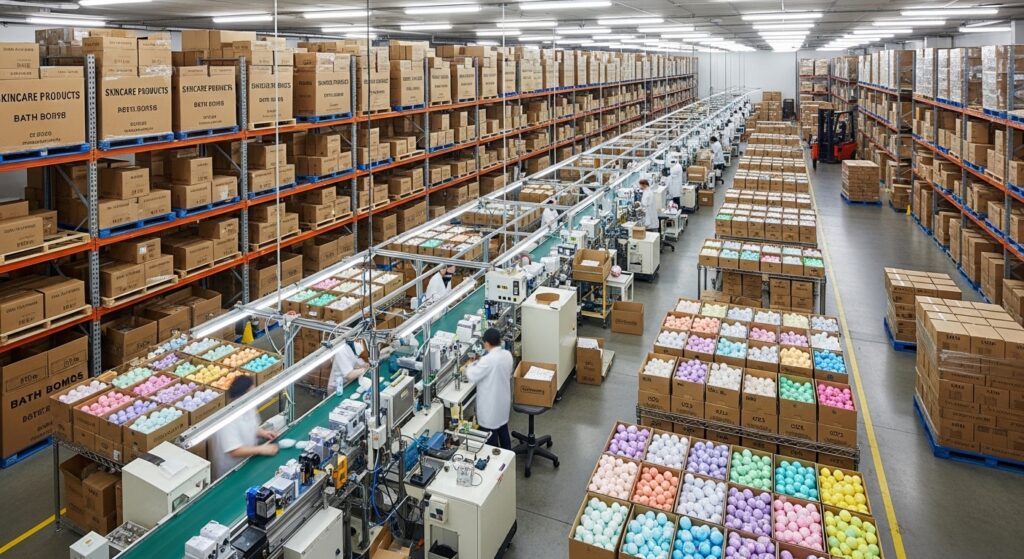
Suppliers use MOQs to balance production costs and operational efficiency. Manufacturing skincare products involves fixed costs such as raw materials, labor, packaging, and equipment setup.
Common Reasons for MOQs:
- Production efficiency: Small batches are less cost-effective
- Material sourcing: Bulk purchasing reduces supplier costs
- Packaging constraints: Custom packaging often requires bulk orders
- Quality consistency: Larger batches maintain uniform standards
MOQ in Wholesale Bath Bombs and Private Label Bath Bombs
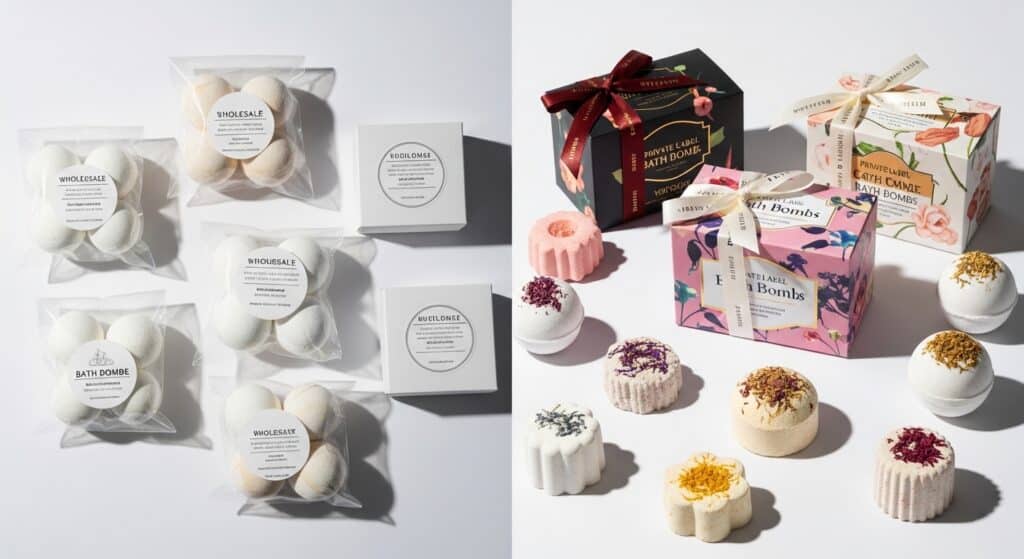
When dealing with wholesale bath bombs, MOQs are usually lower because products are pre-made and ready for resale.
In contrast, private label bath bombs often require higher MOQs due to customization, including scent, color, ingredients, and packaging.
Example Comparison:
| Product Type | Typical MOQ | Customization |
|---|---|---|
| Wholesale Bath Bombs | 50–200 units | Low |
| Private Label Bath Bombs | 200–1000+ units | High |
Understanding this difference helps businesses choose between quick market entry and brand differentiation.
Factors That Influence MOQ Requirements
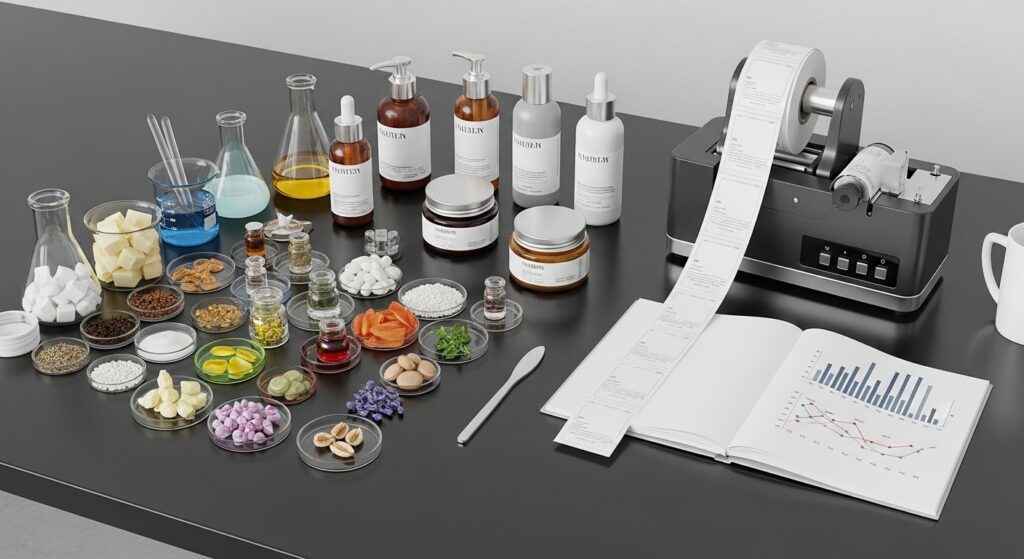
Several factors determine how high or low an MOQ will be in private label skincare.
1. Product Complexity
More complex formulations require larger production runs.
2. Ingredient Sourcing
Rare or organic ingredients often increase MOQ thresholds.
3. Packaging Customization
Custom labels, molds, or branded packaging raise minimum requirements.
4. Manufacturer Size
Large manufacturers typically enforce higher MOQs than small-scale producers.
5. Production Method
Handcrafted bath bombs may allow smaller MOQs compared to automated production.
Types of MOQ Structures
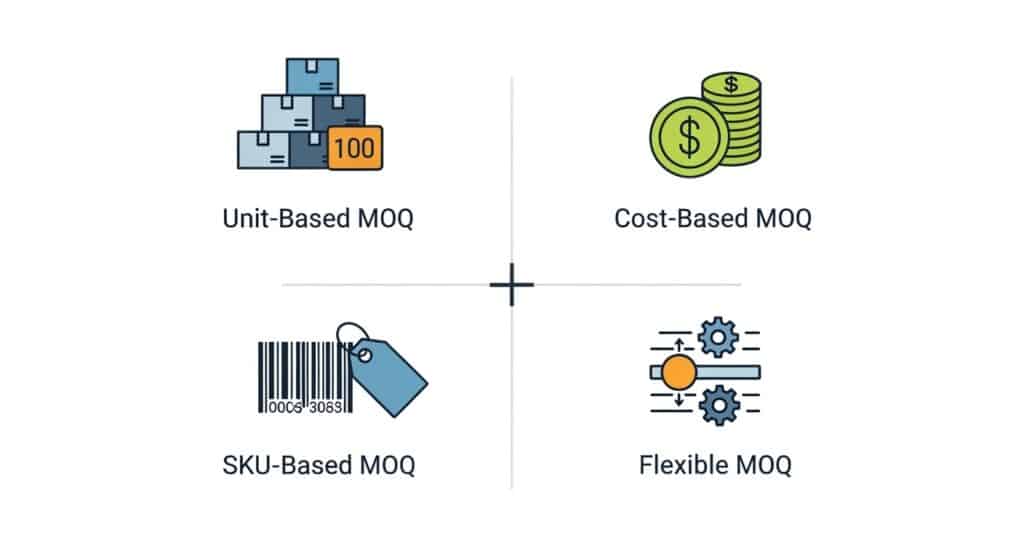
MOQs are not always based on unit count alone. Suppliers may use different structures.
Unit-Based MOQ
A fixed number of products, such as 25 – 500 bath bombs.
Cost-Based MOQ
A minimum spend requirement, for example, $56.00- $1250.00 per order.
SKU-Based MOQ
Minimum quantity per product variation, such as scent or color.
Flexible MOQ
Some suppliers offer tiered pricing based on order size.
How to Negotiate MOQs with Suppliers
Negotiating MOQs is possible, especially for new businesses entering the market.
Practical Strategies:
- Start with sample orders to test quality
- Request mixed product batches to meet MOQ requirements
- Build a long-term relationship with the supplier
- Accept slightly higher pricing for lower MOQ flexibility
Clear communication often leads to better terms.
Managing Inventory with High MOQs
High MOQs can strain cash flow if not managed properly. Smart inventory planning helps reduce risk.
Effective Approaches:
- Start with best-selling product types
- Use pre-orders to validate demand
- Store products properly to extend shelf life
- Diversify sales channels such as online marketplaces
Balancing supply and demand is essential for sustainable growth.
Choosing the Right Supplier for Your Business
Selecting a supplier involves more than just MOQ considerations.
What to Evaluate:
- Product quality and ingredient transparency
- MOQ flexibility
- Production timelines
- Compliance with safety standards
- Communication and reliability
Some platforms, including suppliers featured on SBODi, provide options that cater to both small startups and scaling brands. This makes it easier to explore wholesale bath bombs or transition into private label bath bombs without excessive risk.
For a broader understanding of sourcing, customization, and market entry strategies, explore this detailed guide on private label bath and body products.