Introduction
The bath and body business is getting really big. Lots of companies are using wholesale bath bombs and private label bath bombs to make their own special products without having to make everything from scratch. This way they can sell good products with their own name on them and they do not have to make the products themselves. They can just use a company that’s good at making these things.
This article is going to tell you what private label bath and body products are. It will explain how they work and why many companies in the beauty and wellness business use them. You will learn about the steps involved the things, about using this method and see some examples. This will help you understand how companies are using label bath and body products to succeed.
What Are Private Label Bath and Body Products?
Private label bath and body products are things that one company makes. Another company sells with their own name on it. Some businesses do not want to make their private label bath and body products from scratch. So they buy label bath and body products like lotions or private label bath and body products, like scrubs or wholesale bath bombs that are already made. Then they put their branding on these private label bath and body products.
Key Characteristics
- Made by companies that’re not the original manufacturer
- Labeled with your company name and wrapped in your packaging
- Usually can be changed to have different smells, different things inside and different looks
- Easy to sell in stores or online
This approach allows businesses to enter the market quickly without investing in production facilities.
How Private Labelling Works
The private labelling process is simple and can be done on a big scale.
Step-by-Step Process
- Select a Manufacturer
- Choose a supplier specializing in bath and body products.
- Choose Products
- Pick from existing formulations like private label bath bombs, soaps, or oils.
- Customize Branding
- Add your logo, packaging design, and labelling.
- Place Bulk Orders
- Order products in wholesale quantities.
- Sell Under Your Brand
- Distribute through online stores, retail shops, or marketplaces.
This system reduces production complexity while maintaining brand ownership.
Types of Private Label Bath Bombs and Body Products
Private labelling covers a wide range of product categories.
Popular Options
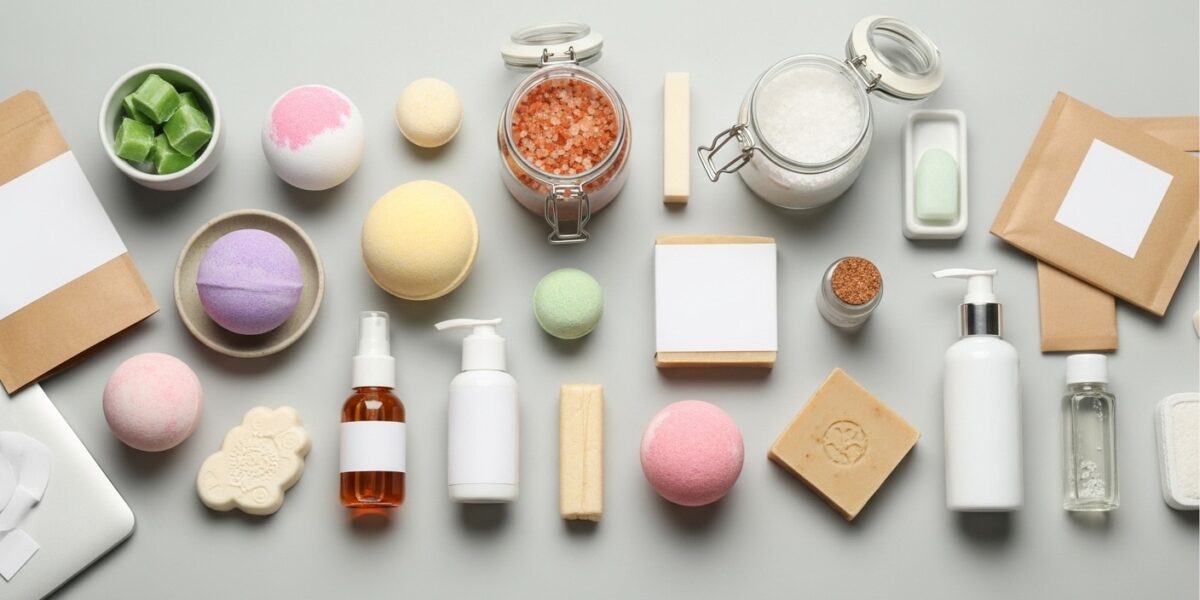
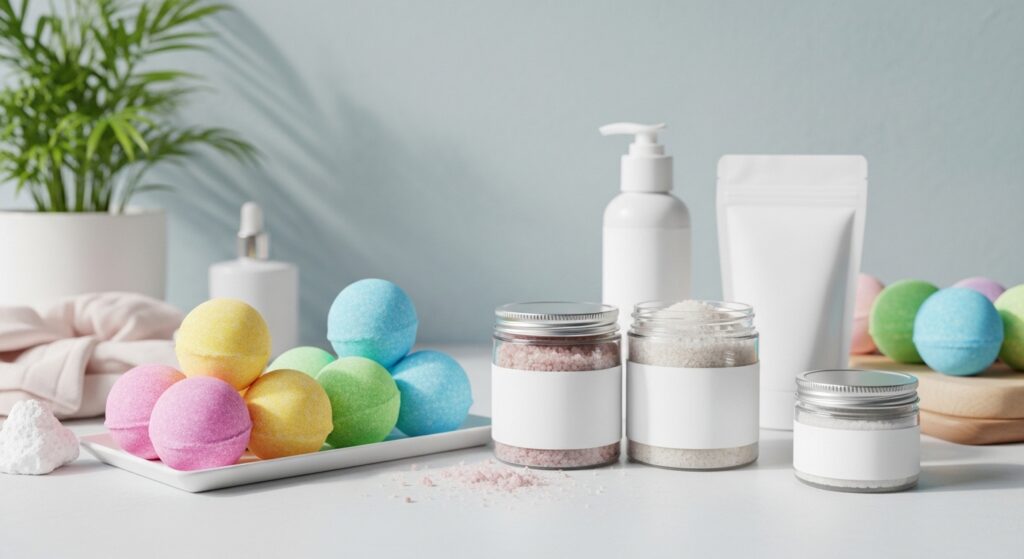
- Bath bombs and bath salts
- Body scrubs and exfoliators
- Lotions and moisturizers
- Shower gels and soaps
- Essential oils and aromatherapy products
Among these, wholesale bath bombs remain one of the most in-demand products due to their visual appeal and user experience.
Benefits of Wholesale Bath Bombs and Private Labelling
Private labelling offers several advantages for new and established businesses.
1. Lower Startup Costs
You do not need to invest in manufacturing equipment or research labs.
2. Faster Time to Market
Products are already developed, allowing quicker launches.
3. Brand Customization
You control branding, packaging, and marketing strategy.
4. Scalability
Easily increase order volume as demand grows.
5. Focus on Marketing
Instead of production, you can focus on branding, sales, and customer experience.
How to Start a Private Label Bath Product Line
Starting a private label brand requires planning and execution.
Step-by-Step Guide
1. Identify Your Niche
Decide on your target audience, such as luxury, organic, or wellness-focused products.
2. Research Suppliers
Look for reliable manufacturers offering private label bath bombs and other products.
3. Test Product Quality
Test the quality of the product. Order samples to check the smell the feel and how it works.
4. Design Your Brand Identity
Design the brand image. Make logos package the product and come up with messages that match the people you want to reach.
5. Set Pricing Strategy
Decide on the pricing. Figure out the costs, the profit and what others are charging.
6. Launch and Market
Start the launch. Promote the product. Use search engine optimization, social media and online stores to find customers.
Examples of Private Label Products
Many businesses use private labelling successfully across different segments.
Common Examples
- Boutique spa brands selling custom bath bombs
- E-commerce stores offering skincare bundles
- Subscription boxes with themed bath products
- Gift shops selling branded wellness kits
These examples highlight how versatile private labelling can be.
To explore a broader overview and deeper insights, read this detailed guide on private label bath and body products. It provides additional context and expands on the concepts discussed here.
Frequently Asked Questions
Conclusion
Private label bath and body products give brands a practical way to launch or expand a product line without managing every part of manufacturing themselves. Businesses can source products such as bath bombs and private label bath bombs, then focus on branding, packaging, marketing, customer experience, and sales growth.
This model is flexible and scalable, which makes it useful for wellness brands, beauty startups, spas, boutiques, ecommerce stores, and established retailers. It can also reduce the upfront cost and complexity of developing bath and body products from scratch.
To build a lasting private label bath and body brand, businesses should understand how private labeling works, choose reliable products, review quality and packaging options carefully, and create a clear brand experience that customers can trust.