Introduction
Wholesale bath salts USA are an important product category for wellness brands, spas, boutiques, ecommerce stores, gift shops, and private label bath and body businesses. Bath salts are simple for customers to understand, flexible to package, and easy to position within self-care, spa, relaxation, and gifting collections.
For buyers, however, choosing bath salts wholesale is not only about finding a low price. The best decisions depend on ingredient quality, salt type, scent direction, packaging format, supplier reliability, minimum order quantity, label readiness, and long-term product strategy.
This guide explains what buyers need to know before ordering wholesale bath salts, how to compare suppliers, how bath salts connect with bath bombs, shower steamers, candles, and soaps, and how to plan a stronger retail-ready bath and body collection.
Table of Contents
- What Are Wholesale Bath Salts USA?
- Why Bath Salts Matter in the Bath and Body Market
- Wholesale Bath Salts vs Private Label Bath Salts
- Common Types of Bath Salts for Wholesale Buyers
- Wholesale Bath Salts vs Bath Bombs, Shower Steamers, and Soaks
- Benefits of Buying Wholesale Bath Salts
- How to Evaluate Wholesale Bath Salts USA Suppliers
- Step-by-Step Guide to Buying Wholesale Bath Salts
- Manufacturing Considerations for Bath Salt Products
- Packaging Considerations for Retail-Ready Bath Salts
- Labeling, Claims, and Retail Readiness
- MOQ, Pricing, and Inventory Planning
- Best Practices for Spas, Boutiques, and Ecommerce Stores
- Common Mistakes Buyers Should Avoid
- How Bath Salts Support a Larger Bath and Body Product Line
- Learn More About Wholesale Bath Salts for Wellness Brands
- How SBODi Fits Into Bath Salts Planning
- Future Trends in Wholesale Bath Salts USA
- Frequently Asked Questions
- Conclusion
What Are Wholesale Bath Salts USA?
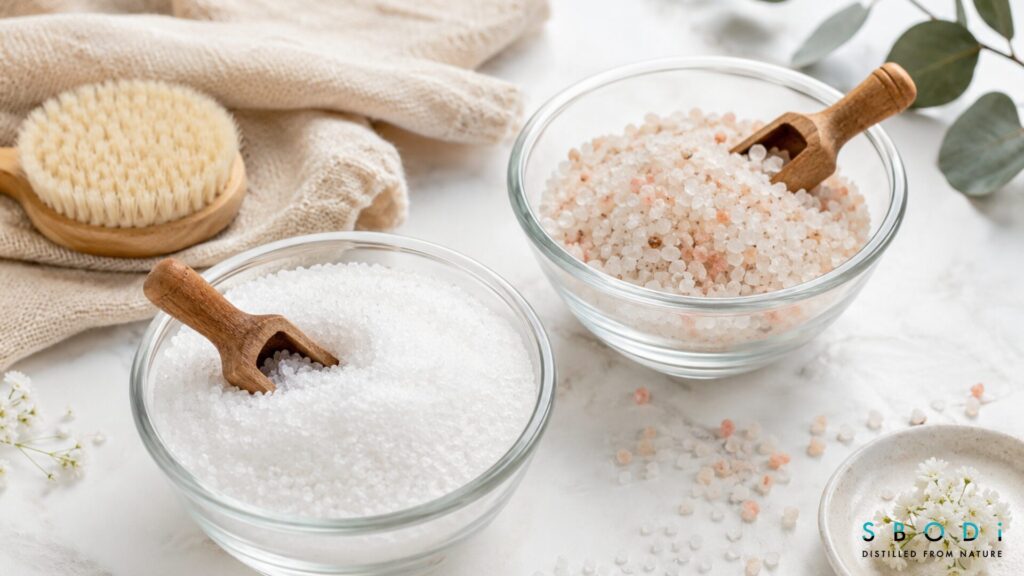
Wholesale bath salts USA are bath salt products purchased in larger quantities from a supplier, manufacturer, or bath and body manufacturer for resale, spa use, ecommerce selling, gifting, or private label product development.
These products may include Epsom salt bath products, mineral bath salts, scented bath salts, aromatherapy bath salts, spa bath salts, natural bath salts, bulk bath soaks, or custom bath salts prepared for retail packaging.
In simple terms, wholesale bath salts allow buyers to purchase ready-made or semi-custom bath soak products in business quantities instead of making each batch independently.
The “USA” part matters because many buyers prefer domestic suppliers for communication, lead time control, shipping convenience, packaging coordination, and product development support. For ecommerce stores and retail brands, this can make planning easier compared with sourcing from overseas suppliers.
Why Bath Salts Matter in the Bath and Body Market
Bath salts remain relevant because they fit several buyer needs at once. They are familiar, easy to explain, and suitable for many retail environments. Customers usually understand how to use bath salts without complicated instructions.
For businesses, bath salts are also flexible. A brand can sell them as a single bath soak, part of a spa gift set, a seasonal product, or a companion item with bath bombs and soaks, shower steamers, candles, soaps, or body care products.
Bath salts work well in:
- Spa and wellness retail
- Boutique gift collections
- Ecommerce bath and body stores
- Subscription boxes
- Hotel and hospitality amenities
- Private label wellness brands
- Seasonal self-care bundles
- Bridal, holiday, and corporate gift sets
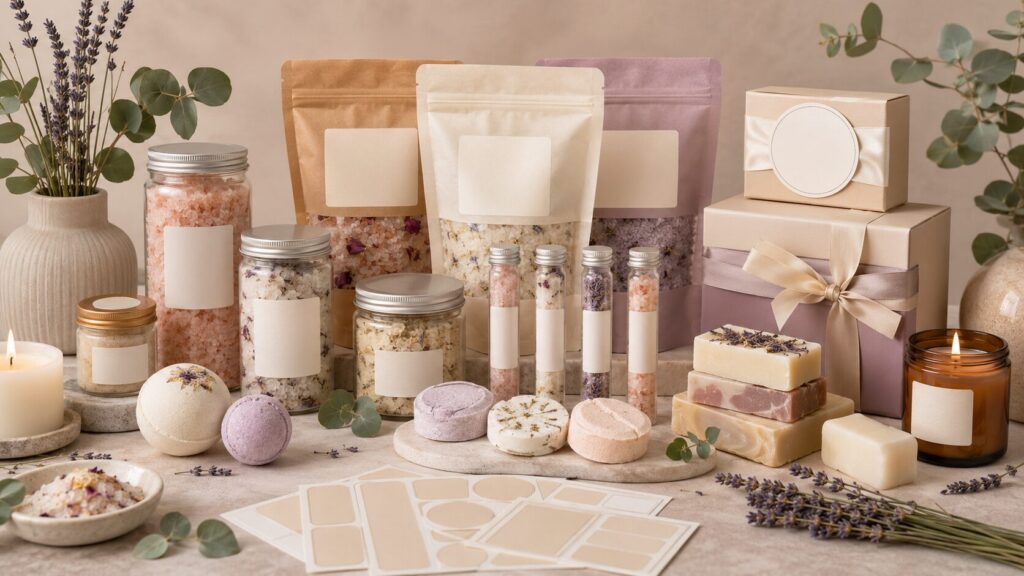
Because bath salts can be packaged in jars, pouches, tubes, sachets, or gift boxes, they give buyers several merchandising options. This flexibility makes wholesale bath salts USA useful for both small brands and larger bath product wholesale buyers.
Wholesale Bath Salts vs Private Label Bath Salts
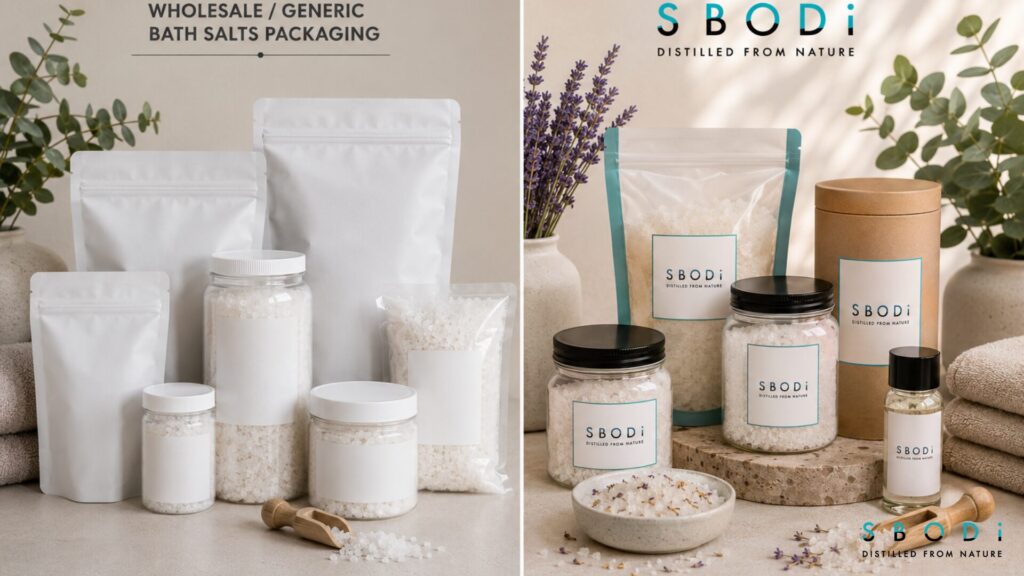
Wholesale bath salts and private label bath salts are related, but they are not exactly the same.
Wholesale bath salts usually refer to products purchased in bulk for resale or business use. The buyer may sell them under the supplier’s brand, in generic packaging, or as part of a larger retail collection.
Private label bath salts are products made by a supplier but sold under the buyer’s own brand name. These may include custom bath salts, branded bath salts, private label bath soak products, or private label wholesale bath salts USA with custom labels and packaging.
Key Difference
Wholesale bath salts focus mainly on supply and resale.
Private label bath salts focus more on branding, packaging, retail presentation, and product line development.
Which Option Is Better?
The better choice depends on the buyer’s goal.
A spa may prefer wholesale bath salts for quick retail display or treatment-room use. A wellness brand may prefer private label bath salts USA because custom labels, packaging, and brand presentation matter more for long-term growth.
Many businesses start with wholesale bath salts and later move into private label bath salts once they understand their audience, pricing, scent preferences, and packaging needs.
Common Types of Bath Salts for Wholesale Buyers

Wholesale bath salts USA can include several product formats. Understanding each type helps buyers select the right option for their audience.
Epsom Salt Bath Products
Epsom salt bath products are among the most common bath salt options. They are widely recognized and often used in bath soak products, spa bath salts, and self-care bath collections.
For buyers, Epsom salt products are useful because customers already understand the category. They can also be blended with fragrance, botanicals, color, or other bath-focused ingredients depending on the product direction.
Mineral Bath Salts
Mineral bath salts may include sea salt, Himalayan salt, Dead Sea salt, or other mineral salt blends. These products often appeal to spa, wellness, boutique, and gift buyers.
Mineral bath salts can support a more premium positioning when paired with elegant packaging, clean labels, and natural visual presentation.
Scented Bath Salts
Scented bath salts are popular because fragrance strongly influences the bath experience. Common scent directions include lavender, eucalyptus, citrus, rose, vanilla, mint, sandalwood, and seasonal blends.
For retail buyers, fragrance variety can improve merchandising. However, too many scents can create inventory confusion. A focused scent collection is usually stronger than an overloaded product range.
Aromatherapy Bath Salts
Aromatherapy bath salts are often positioned around scent experience, mood, and self-care routines. Buyers should use careful wording and avoid exaggerated wellness or medical claims.
A clean aromatherapy bath salts line may include calming, fresh, floral, herbal, or spa-inspired scent profiles without making unsupported promises.
Spa Bath Salts
Spa bath salts are designed for a clean, professional, and elevated presentation. These products often work well for spas, salons, hotels, wellness studios, and high-end gift shops.
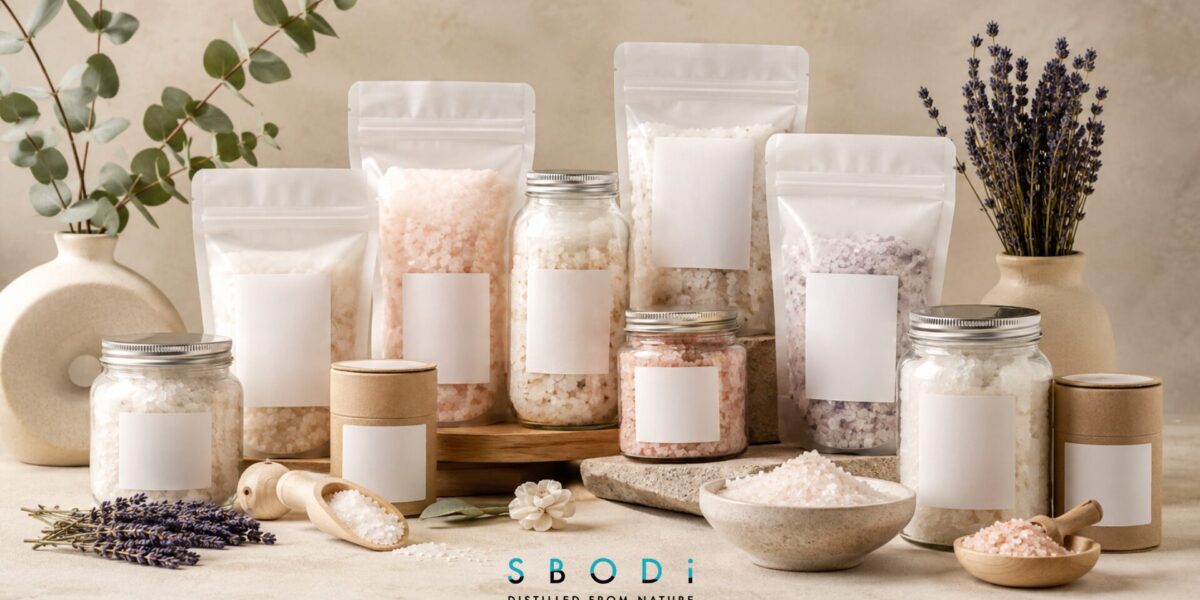
The packaging should feel polished, simple, and easy to display. Glass jars, stand-up pouches, kraft tubes, and premium labels can all support spa-focused merchandising.
Natural Bath Salts
Natural bath salts are often built around simple ingredients, mineral salts, essential oil fragrance directions, and clean packaging. Buyers should be careful with the word “natural” because environmental and ingredient claims should be accurate and supportable.
For a natural bath products collection, ingredient clarity and honest positioning matter more than broad claims.
Custom and Branded Bath Salts
Custom bath salts and branded bath salts are useful for buyers developing a unique product line. These may include custom scent direction, packaging choices, label design, color palette, and gift set coordination.
Custom options are especially valuable for brands that want bath salts to match other private label bath products such as bath bombs, shower steamers, candles, soaps, or body care products.
Wholesale Bath Salts vs Bath Bombs, Shower Steamers, and Soaks
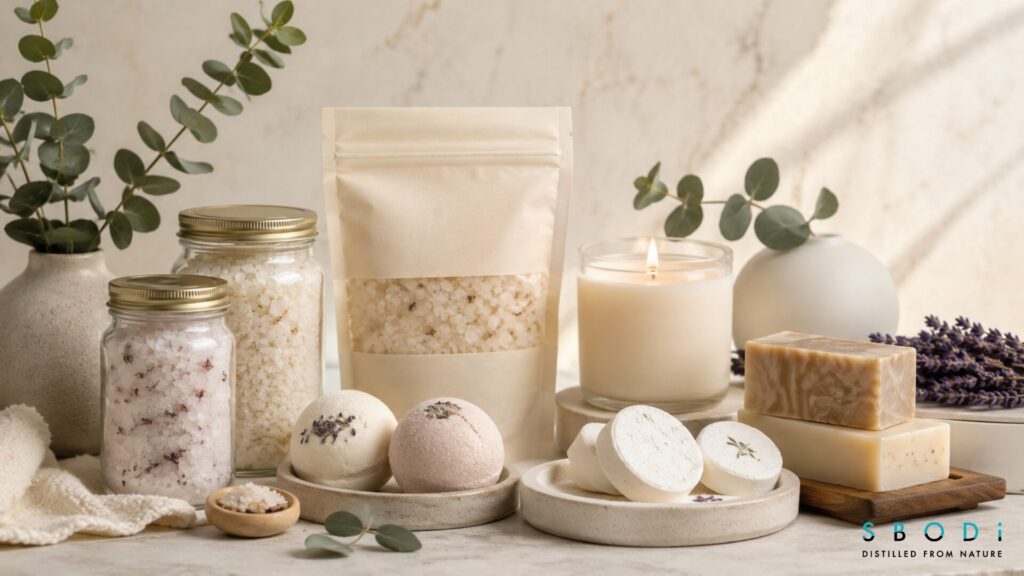
Bath salts are often compared with bath bombs, shower steamers, and bath soaks. Each product plays a different role in a bath and body collection.
Bath Bombs vs Bath Salts
Bath bombs are fizzy products that dissolve in water and create a more visual bath experience. They often use ingredients such as baking soda, citric acid, fragrance, color, and oils.
Bath salts are usually simpler bath soak products built around salt blends. They are often easier to package, easier to explain, and suitable for customers who prefer a less decorative bath product.
For ecommerce stores, bath bombs vs bath salts is not always an either-or decision. Many buyers sell both because they attract overlapping customers.
Shower Steamers vs Bath Salts
Shower steamers are designed for the shower, not the bath. They are also called shower bombs, shower tablets, shower melts, shower fizzy tablets, or shower aromatherapy products.
Wholesale shower steamers, bulk shower steamers, and private label shower steamers USA are useful for customers who do not take baths but still want a scent-based shower experience.
Bath salts serve bath customers. Shower steamers serve shower customers. Together, they help a brand cover more self-care routines.
Bath Soaks vs Bath Salts
Bath soaks can include bath salts, milk bath powders, oil-based soaks, botanical soaks, or mineral blends. Bath salts are one type of bath soak product.
For buyers, wholesale bath soaks can be a broader category. A product line may include mineral bath salts, scented bath salts, and private label bath soak blends under one bath soak collection.
Benefits of Buying Wholesale Bath Salts
Wholesale bath salts USA offer several practical benefits for retail and wellness buyers.
Lower Product Development Burden
Buying from a bath salts manufacturer or bath salts supplier reduces the need to formulate, test, source ingredients, and manage production internally. This is useful for small brands, boutiques, and spas that want to expand without building a manufacturing operation.
Faster Retail Launch
Wholesale bath salts can help buyers launch products faster than creating everything from scratch. With the right supplier, buyers can move from samples to packaging decisions to inventory planning more efficiently.
Flexible Packaging Options
Bath salts can be packaged in many formats. This includes jars, pouches, tubes, sachets, boxes, refill bags, gift sets, and sample packs.
This flexibility makes bath salts suitable for budget-friendly lines, premium spa collections, seasonal products, and branded gift sets.
Strong Cross-Selling Potential
Bath salts pair naturally with:
- Wholesale bath bombs
- Bath bombs wholesale private label
- Private label bath bombs
- Wholesale shower steamers
- Private label candles
- Wholesale soap bars
- Natural soap wholesale
- Private label body care
- Wholesale body care products
This makes bath salts useful for building a broader bath and body products collection.
Easier Customer Education
Customers usually understand bath salts quickly. A product page does not need to explain a complicated concept. The brand can focus on scent, packaging, ingredients, usage instructions, and product experience.
How to Evaluate Wholesale Bath Salts USA Suppliers
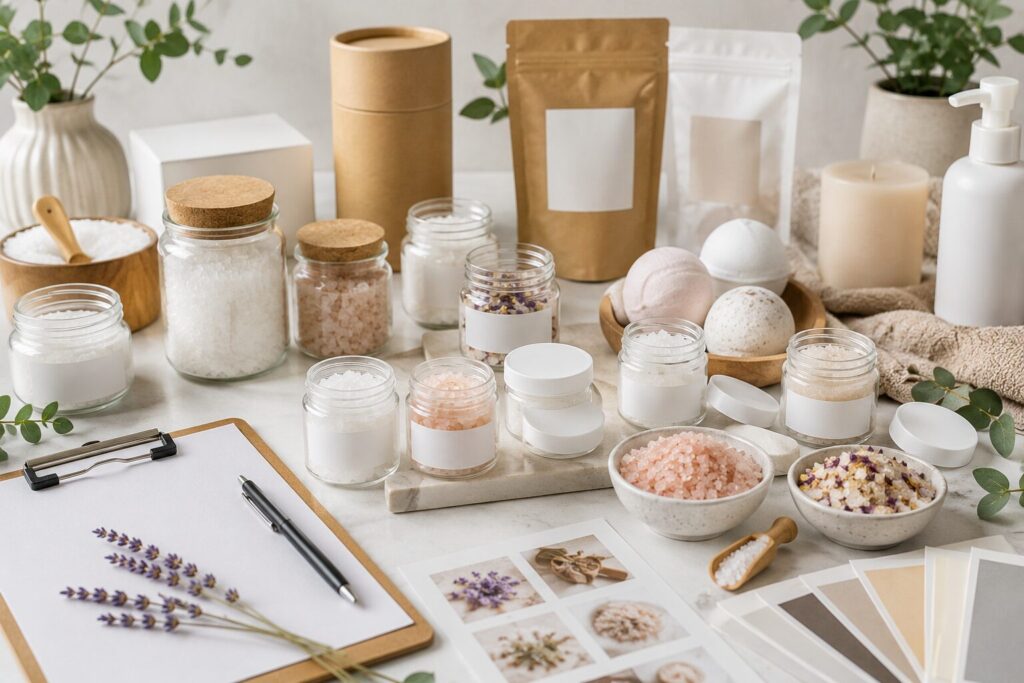
Choosing the right supplier is one of the most important decisions in bath salts wholesale. A low unit cost does not always mean a better product.
Supplier Experience
Look for a supplier with experience in bath product wholesale, private label bath products, bath and body manufacturing, packaging coordination, and business-to-business support.
A supplier familiar with bath salts, bath bombs, shower steamers, candles, soaps, and body care products can help buyers plan a more complete collection.
Ingredient Transparency
Buyers should understand what is inside each product. Ask about salt type, fragrance, color, botanicals, oils, additives, and any optional ingredients.
Ingredient transparency supports better labeling, ecommerce descriptions, customer education, and retail conversations.
Sample Availability
Samples help buyers evaluate scent strength, texture, packaging fit, color, visual appeal, and customer experience before committing to larger quantities.
For new brands, samples are especially useful because they reduce guesswork.
MOQ and Lead Time
MOQ means minimum order quantity. Buyers should ask how many units are required per scent, per packaging format, or per label version.
Lead time also matters. Seasonal collections, gift sets, and holiday retail schedules require early planning.
Packaging Capability
A good supplier should explain packaging options clearly. Some suppliers offer ready to label products, while others support custom labels, branded bath salts, jars, pouches, tubes, or gift boxes.
Packaging affects cost, shipping weight, shelf appeal, and perceived product value.
Documentation and Label Support
Buyers should ask what product information, ingredient lists, label details, and documentation are available.
This is especially important for private label bath salts USA because the buyer’s brand name appears on the final product.
Communication Quality
Strong communication is a practical advantage. Buyers should look for clear answers, realistic timelines, and organized product information.
Poor communication before ordering often becomes a bigger problem after production begins.
Step-by-Step Guide to Buying Wholesale Bath Salts
A structured buying process helps reduce errors and improve product planning.
Step 1: Define the Product Goal
Start by deciding why you are buying wholesale bath salts USA.
Possible goals include:
- Retail resale
- Spa use
- Ecommerce product launch
- Private label bath salts collection
- Gift set development
- Seasonal merchandising
- Subscription box inclusion
The goal affects scent selection, packaging, price point, MOQ, and label needs.
Step 2: Choose Your Product Type
Select the type of bath salts you want to offer. For example, you may choose Epsom salt bath products, mineral bath salts, scented bath salts, aromatherapy bath salts, or natural bath salts.
A small focused collection is often better than too many variations at the start.
Step 3: Request Samples
Samples allow you to evaluate scent, texture, packaging compatibility, and presentation.
For bath salts bulk orders, never rely only on product photos. Physical samples provide better insight.
Step 4: Compare Packaging Options
Packaging should match your customer, price point, and sales channel.
A boutique may prefer glass jars. An ecommerce store may prefer lightweight pouches. A spa may prefer clean, minimal packaging. A gift brand may prefer tubes or boxed sets.
Step 5: Review Label Requirements
Before ordering, review ingredient information, net weight, usage directions, business details, warning language, and any supplier-provided label guidance.
For private label bath salts, label planning should begin before production, not after the products are complete.
Step 6: Confirm MOQ, Pricing, and Timeline
Ask for clear pricing by quantity, packaging format, label option, and scent variation.
Also confirm production time, shipping method, and expected delivery window.
Step 7: Plan Your Launch Content
Before the product arrives, prepare product pages, collection descriptions, image alt text, FAQs, internal links, and ecommerce category content.
This helps your bath salts collection launch with stronger SEO and customer education.
Manufacturing Considerations for Bath Salt Products
Manufacturing quality affects product consistency, packaging success, and customer experience.
Salt Blend Consistency
A bath salts manufacturer should maintain consistency in grain size, texture, scent distribution, and color. Uneven blending can affect the appearance and experience of the product.
Fragrance Load
Fragrance should be balanced. Too little fragrance may feel weak. Too much fragrance may overwhelm customers or create packaging issues.
Buyers should choose scent levels based on brand positioning and customer expectations.
Moisture Control
Bath salts can be sensitive to moisture. Poor handling may lead to clumping, hardening, or packaging problems.
Packaging should help protect the product during storage and shipping.
Botanical Ingredients
Botanicals can improve visual appeal, but they should be used carefully. Large petals, herbs, or decorative inclusions may affect cleanup, drainage, or product consistency.
A clean visual approach often works better for ecommerce and retail.
Batch Planning
Buyers should ask how production batches are handled, especially if ordering multiple scents or packaging versions.
Batch planning is important for repeat orders because customers expect the same product experience each time.
Packaging Considerations for Retail-Ready Bath Salts
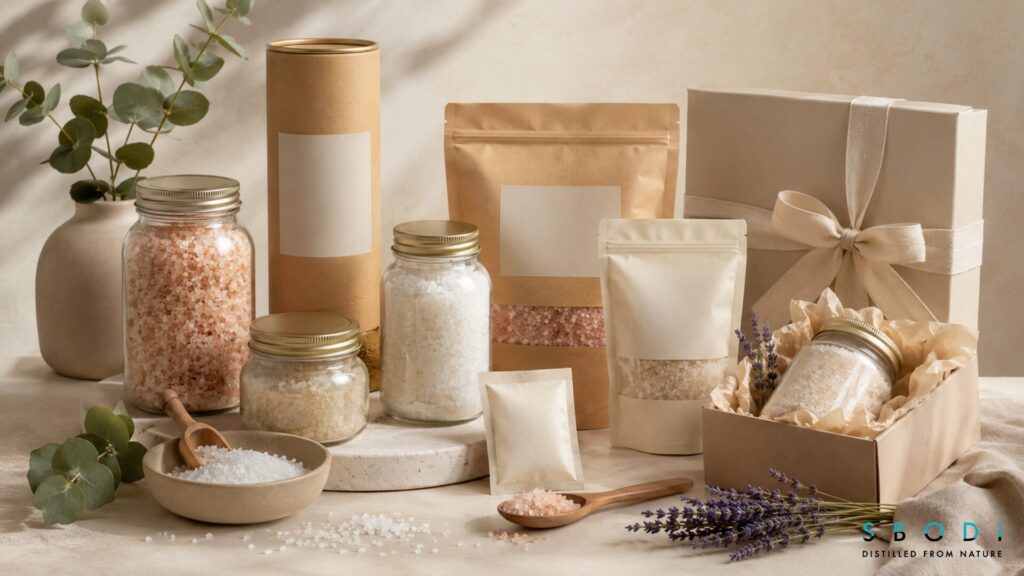
Packaging is one of the biggest factors in how customers perceive bath salts.
Jars
Jars create a premium look and work well for spa bath salts, mineral bath salts, and branded bath salts. However, they may increase shipping weight and breakage risk.
Stand-Up Pouches
Pouches are lightweight, practical, and ecommerce-friendly. They work well for bath salts bulk, refill-style products, and modern wellness packaging.
Tubes
Tubes create a clean giftable presentation. They are useful for boutique shelves, holiday collections, and spa gifting.
Sachets
Sachets are good for single-use bath soak products, sample packs, hotels, gift boxes, and subscription boxes.
Gift Boxes
Gift boxes allow buyers to combine bath salts with bath bombs, shower steamers, candles, soaps, or body care products. This can increase perceived value and improve merchandising.
Label Design
Label design should be clear, readable, and aligned with the product positioning. Avoid cluttered labels, tiny fonts, excessive claims, or confusing scent descriptions.
A strong bath salts label usually communicates product name, scent, net weight, ingredients, usage directions, and brand identity clearly.
Labeling, Claims, and Retail Readiness
Bath salts are often simple products, but labeling still matters.
Buyers should avoid unsupported claims, medical language, or exaggerated promises. Instead, product copy should focus on scent, bath experience, ingredients, packaging, and intended use.
For example, a safer product description may say the product is a lavender-scented bath soak made with mineral salts. It should not make disease-related or drug-style claims.
Retail readiness also includes:
- Clear ingredient information
- Proper net weight display
- Accurate usage instructions
- Appropriate caution statements
- Batch or lot tracking when applicable
- Consistent product naming
- Professional product photography
- Ecommerce-friendly descriptions
This is especially important for private label bath salts USA because buyers are responsible for how the finished product appears to customers.
MOQ, Pricing, and Inventory Planning
MOQ and pricing can affect your entire product strategy.
Understand MOQ by Variation
Some suppliers set MOQ by total order. Others set MOQ by scent, packaging type, label design, or SKU.
For example, ordering three scents in three packaging formats may create more complexity than ordering one core scent in one format.
Calculate Total Landed Cost
Do not evaluate only the product unit cost. Include:
- Packaging cost
- Label cost
- Shipping cost
- Storage cost
- Photography cost
- Ecommerce listing cost
- Promotional materials
- Damaged or unsellable inventory allowance
Total landed cost gives a more realistic view of pricing.
Start Focused
New buyers often perform better with a focused product range. Three to five strong SKUs may be easier to manage than a large collection with too many scents and sizes.
Plan Reorders Early
If a product sells well, reordering should happen before inventory runs too low. Production and shipping timelines can affect availability.
Best Practices for Spas, Boutiques, and Ecommerce Stores
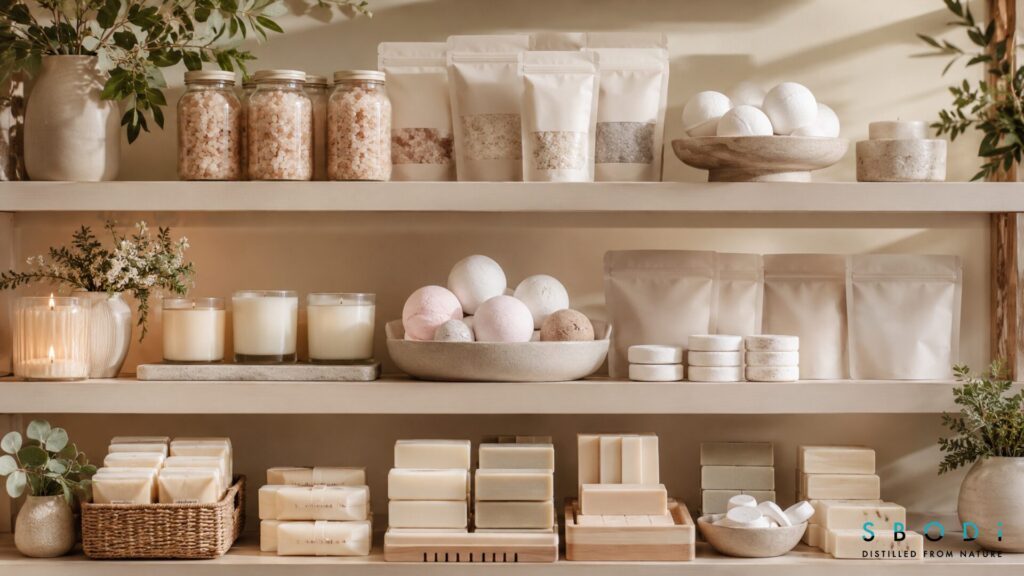
Different sales channels need different bath salts strategies.
For Spas
Spas should focus on clean presentation, professional packaging, and products that support the overall spa environment.
Spa bath salts, aromatherapy bath salts, mineral bath salts, and paired candles can work well in this setting.
For Boutiques
Boutiques need shelf appeal. Packaging, color palette, scent names, and giftable presentation matter.
Boutique buyers may benefit from jars, tubes, sachets, and seasonal gift sets.
For Ecommerce Stores
Ecommerce stores need strong product pages. This includes clear images, useful descriptions, FAQs, ingredient details, shipping information, and internal links.
Image SEO is also important. Product photos should include descriptive file names, alt text, titles, and descriptions.
For Private Label Brands
Private label brands should think beyond the first order. The goal is not only to sell one bath salt product, but to build a recognizable bath and body collection.
Private label bath salts can connect with private label bath bombs, private label shower steamers, private label candles, wholesale soap bars, and wholesale body care products.
Common Mistakes Buyers Should Avoid
Wholesale bath salts USA can be a strong product category, but buyers should avoid several common mistakes.
Choosing Only by Price
Low pricing can be attractive, but it may come with weaker packaging, inconsistent scent, limited support, or poor product presentation.
A better approach is to compare value, not just price.
Ordering Too Many Scents
Too many scent options can create inventory problems. Start with a focused collection and expand based on customer response.
Ignoring Packaging Weight
Packaging affects shipping cost. Heavy jars may look premium, but they can increase fulfillment expenses for ecommerce stores.
Skipping Samples
Samples are important. Product photos cannot fully show scent, texture, grain size, or packaging feel.
Using Weak Product Copy
Bath salts need clear descriptions. Avoid generic wording such as “great bath product” and explain the salt type, scent direction, packaging size, and ideal use case.
Making Unsupported Claims
Avoid medical or exaggerated claims. Keep wording focused on bath experience, self-care, fragrance, and product format.
Forgetting Internal Links
A bath salts article or product page should connect naturally to related content about wholesale bath products, private label bath products, bath bombs, shower steamers, candles, and soaps.
Internal linking helps users explore related products and helps search engines understand topic relationships.
How Bath Salts Support a Larger Bath and Body Product Line
Bath salts rarely need to stand alone. They can support a larger product ecosystem.
A complete bath and body products collection may include:
- Wholesale bath salts
- Private label bath salts
- Wholesale bath bombs
- Bath bombs wholesale private label
- White label bath bombs
- Ready to label bath bombs
- Individually wrapped bath bombs
- Bath fizzers wholesale
- Wholesale shower steamers
- Private label shower steamers
- Private label candles
- Wholesale candles
- Wholesale soap bars
- Natural soap wholesale
- Private label body care
This type of product structure improves merchandising and content strategy.
For example, an ecommerce brand could create a “bath ritual” collection with mineral bath salts, bath bombs in bulk, spa candles, and handmade soap bars. A boutique could create seasonal gift boxes with scented bath salts, custom label candles, and natural bar soap.
This broader approach helps buyers think beyond one SKU and build a stronger product line.
Learn More About Wholesale Bath Salts for Wellness Brands
Buyers who want a broader understanding of bath salts product planning, supplier selection, packaging, customization, and retail strategy can review SBODisbodi’s main pillar guide on wholesale bath salts for wellness brands. That guide provides additional context for spas, boutiques, ecommerce stores, and private label bath and body brands that want to understand how wholesale bath salts fit into a larger product collection.
When planning bath salts wholesale or private label bath salts USA, buyers should also review basic product labeling, marketing, and business planning resources. The FDA’s Cosmetics Labeling Guide can help brands understand cosmetic-style labeling considerations, while the FTC’s Green Guides are useful when reviewing natural, eco-friendly, recyclable, or sustainability-related marketing language.
For general product safety awareness, the CPSC’s Business Education resources can help small businesses understand consumer product compliance topics. Buyers preparing to launch or expand a bath and body product line can also use the SBA’s market research and competitive analysis guide to evaluate customer demand, competitor positioning, and retail opportunities before placing larger wholesale bath salts USA orders.
Together, these resources can help buyers make more informed decisions about ingredients, packaging, label language, supplier evaluation, and product positioning. This article can be used as a practical buyer-focused guide, while the SBODi pillar page provides broader category-level insight into wholesale bath salts, private label bath products, and long-term wellness brand planning.
How SBODi Fits Into Bath Salts Planning
SBODi is connected to the bath and body manufacturing space, including wholesale bath products, private label bath products, bath salts, bath bombs, shower steamers, candles, soaps, and wellness-focused product collections.
For buyers researching wholesale bath salts USA, SBODi can be used as an industry resource for understanding how bath salts fit into broader product planning. This includes supplier evaluation, packaging direction, private label readiness, and collection development.
The most important takeaway is that bath salts should not be treated as a simple filler product. When planned correctly, they can support a more complete wellness product line, improve gift set options, and strengthen bath and body brand positioning.
Future Trends in Wholesale Bath Salts USA
The wholesale bath salts USA category is likely to continue evolving as buyers focus on cleaner presentation, better packaging, and more complete self-care collections.
Minimal Packaging
Minimal design continues to work well in bath and body categories. Clean labels, neutral colors, and simple product names can help bath salts look more premium.
Giftable Bath Soak Sets
Gift sets remain important because bath salts pair naturally with bath bombs, shower steamers, candles, and soaps. Buyers can use bath salts as part of seasonal, spa, bridal, or holiday collections.
Scent-Led Collections
Fragrance will remain a major buying factor. Instead of offering random scents, brands may build collections around scent families such as herbal, floral, citrus, warm, fresh, or spa-inspired.
Refill and Pouch Formats
Lightweight pouch packaging may continue to grow because it supports ecommerce shipping, storage efficiency, and refill-style merchandising.
Private Label Expansion
More buyers may start with wholesale bath salts and later move toward private label bath salts USA. This allows them to build stronger brand recognition and better control over packaging and customer experience.
Cross-Category Bath and Body Bundling
Bath salts will likely remain connected to related product categories such as wholesale bath bombs, wholesale shower steamers, private label candles, wholesale soap bars, and private label body care.
Frequently Asked Questions