A luxury candle succeeds when fragrance, burn performance, vessel quality, packaging, and brand identity feel intentionally connected. Attractive labels matter, but they cannot compensate for an unstable wick, inconsistent scent, damaged glass, or unreliable reorders.
A private label candles USA program allows a brand to launch home-fragrance products without operating its own manufacturing facility. This guide explains how these programs work, which product decisions affect quality, and how to evaluate suppliers before approving production. For broader information on candle types, waxes, wicks, packaging, testing, and wholesale buying, explore SBODi’s complete wholesale candles guide.
Table of Contents
- What Are Private Label Candles?
- Why Luxury Brands Add Candles
- Private Label vs White Label Candles
- Product Formats for Luxury Collections
- How to Build a Private Label Candle Line
- Manufacturing, Testing, and Safety
- Packaging for Luxury Positioning
- How to Evaluate a Candle Manufacturer
- Common Development Mistakes
- Current Candle Trends
- SBODi Candle Resources
- Frequently Asked Questions
- Conclusion
What Are Private Label Candles?
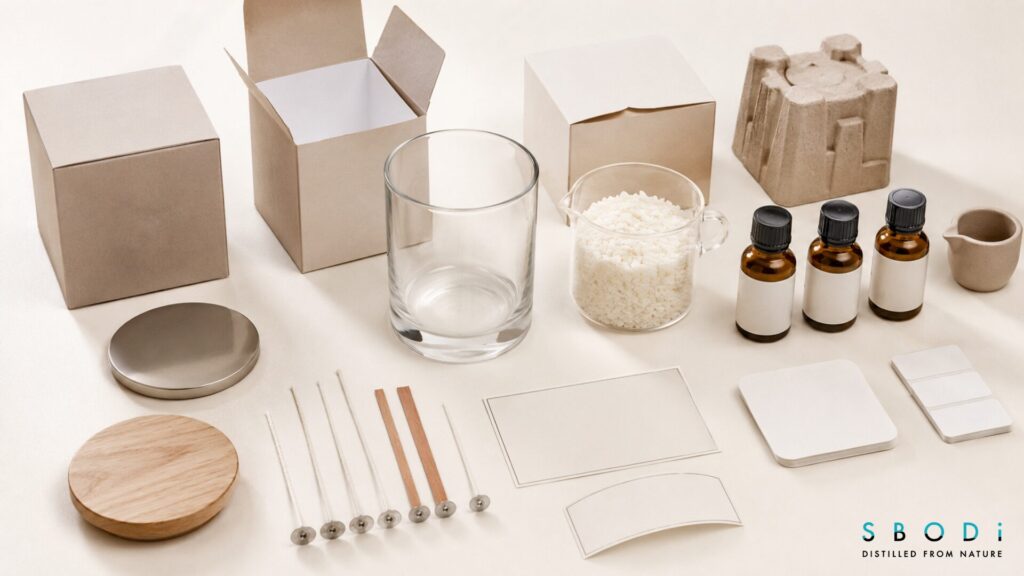
Private label candles are manufactured by a third party and sold under the buyer’s brand. Depending on the program, the buyer may select the fragrance, wax, wick, vessel, lid, label, carton, and case quantity.
Some suppliers provide ready-to-label products with limited changes. Others support custom fragrance development, exclusive packaging, and specialized candle formats.
Because terminology differs between manufacturers, request a written specification showing exactly what can be customized.
Why Luxury Brands Add Candles
Candles can extend a fashion, beauty, hospitality, spa, or wellness brand into home fragrance. They also work well for gifting, seasonal releases, subscription boxes, and coordinated self-care collections.
Important benefits include:
- A recognizable sensory identity
- Strong gift and seasonal potential
- Coordinated fragrance families
- Multiple sizes and price points
- Opportunities for repeat purchases
- Product development without an internal candle factory
Fragrance deserves particular attention. The National Candle Association identifies scent as the most important characteristic influencing candle purchases, while container and jar candles remain especially popular with U.S. consumers.
Private Label vs White Label Candles
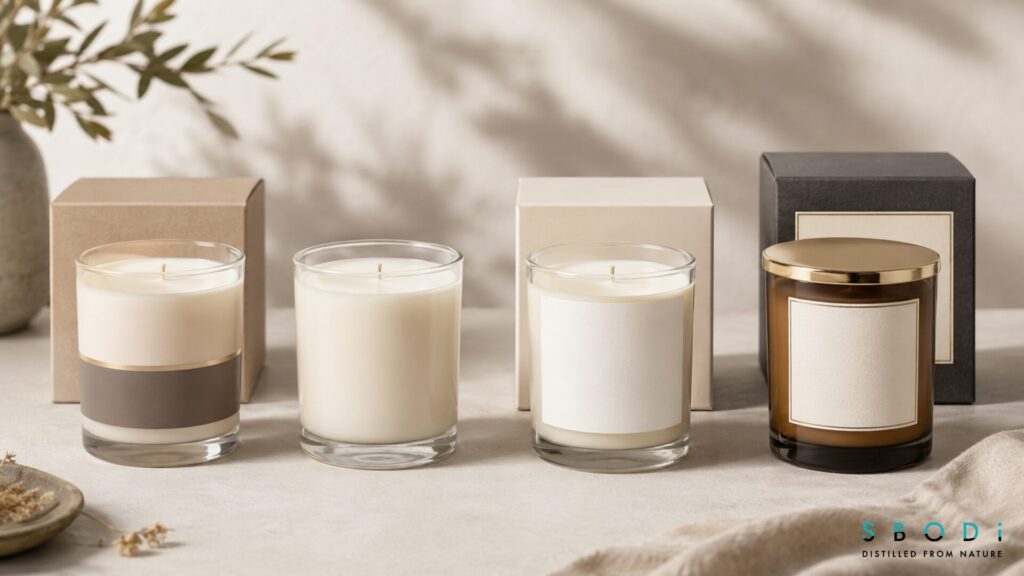
| Model | Branding | Customization | Best Use |
|---|---|---|---|
| Wholesale | Supplier branding | Low | Direct resale |
| White label | Buyer label | Limited | Faster launches |
| Private label | Buyer branding | Moderate | Distinct collections |
| Custom manufacturing | Buyer branding | High | Established brands |
White label candles normally use an existing wax, wick, fragrance, and vessel combination. Private label programs may provide more control over scent, packaging, vessel finish, and product presentation.
A fully custom program offers the greatest control but usually requires more testing, higher minimum orders, and longer development timelines.
Product Formats for Luxury Collections
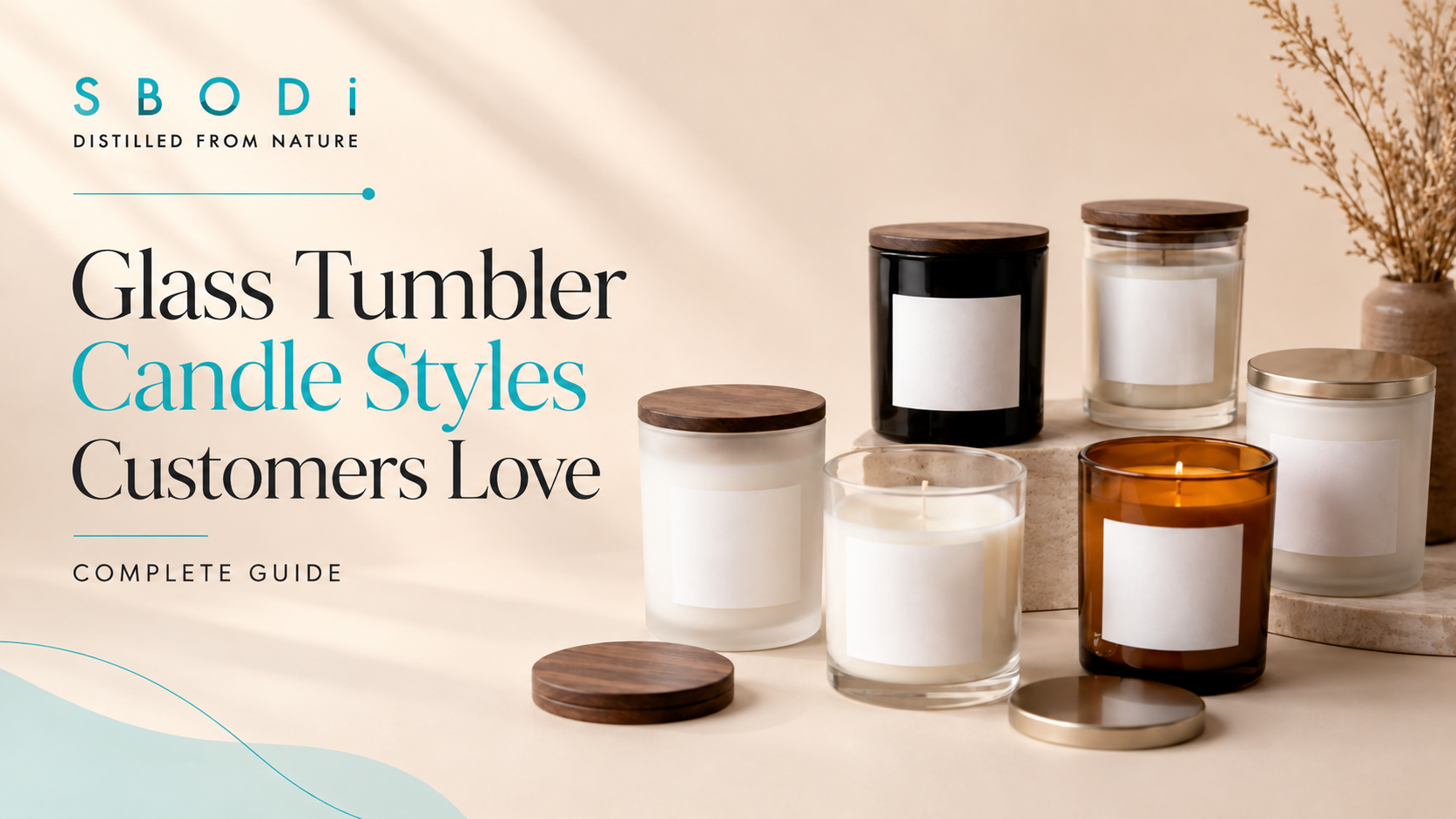
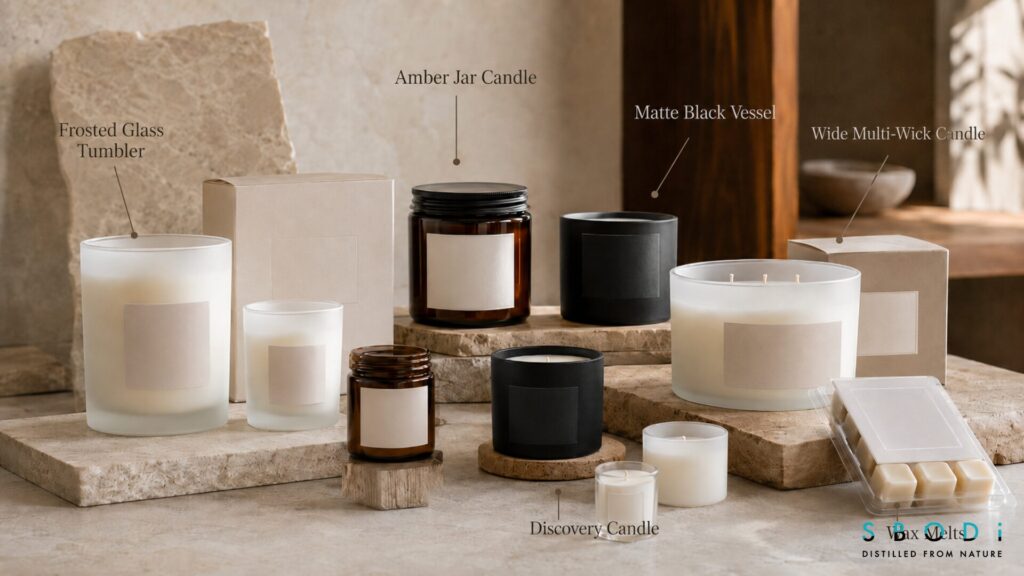
Glass Tumbler Candles
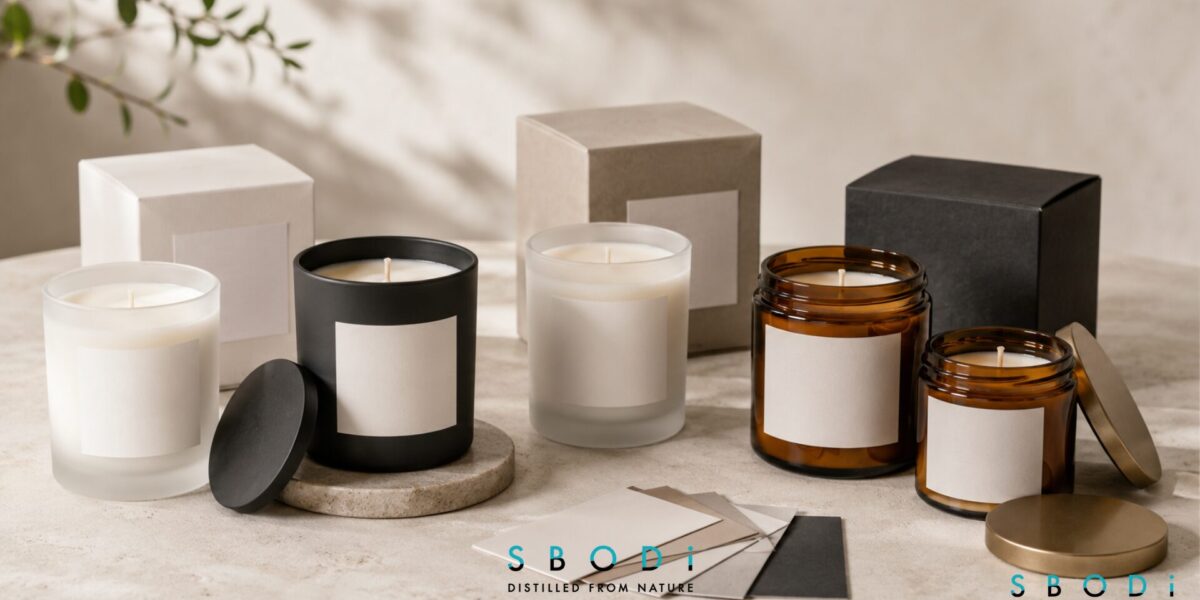
Frosted, clear, black, or white tumblers create a clean presentation and provide enough label space for restrained branding. They suit modern home, hospitality, and wellness collections.
Amber Jar Candles
Amber jars create an apothecary-inspired appearance. They pair naturally with woody, herbal, citrus, floral, and resinous fragrances.
Discovery Candles
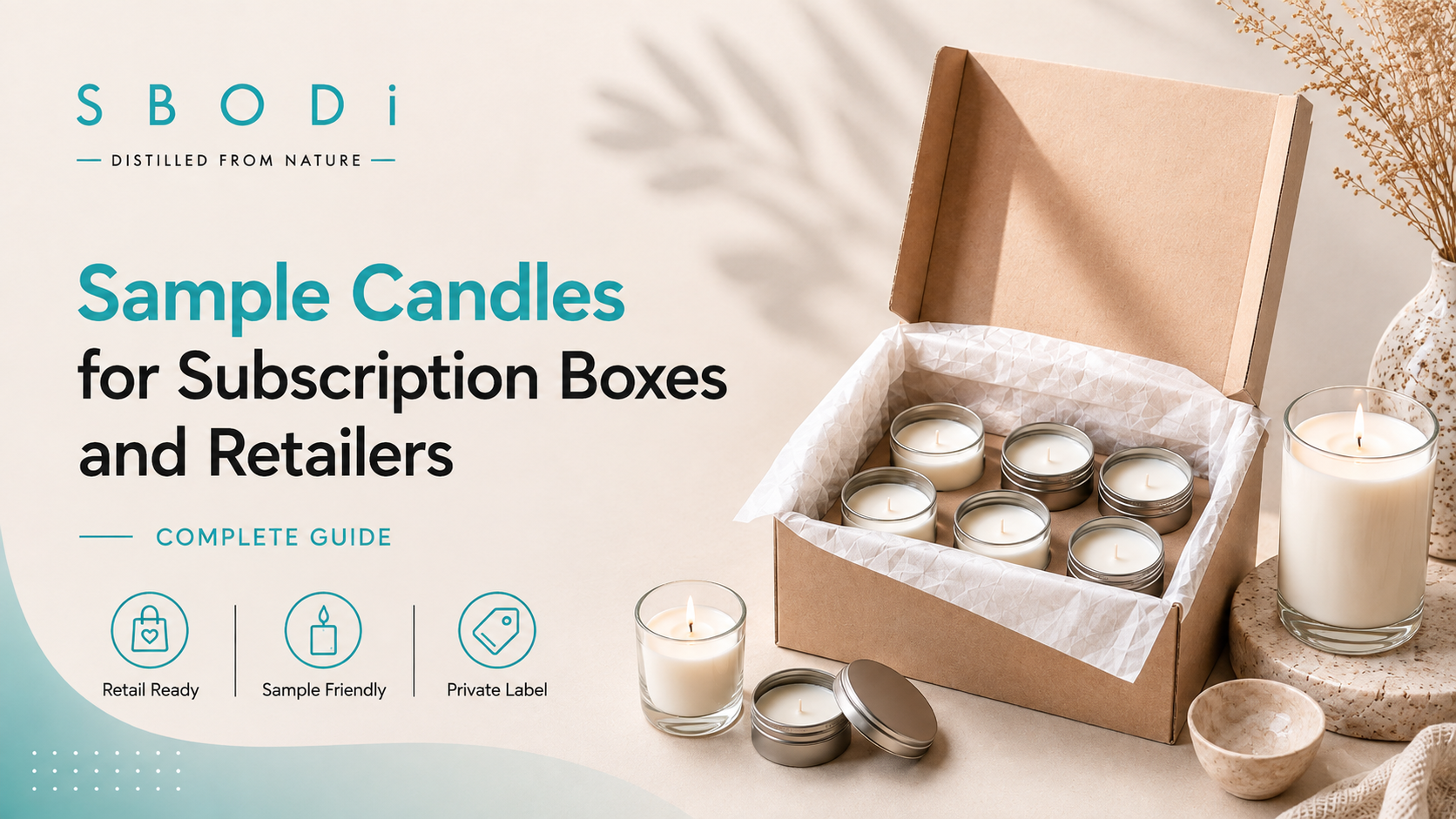
Small candles allow customers to experience fragrances before buying a larger size. They are also suitable for discovery sets, gift boxes, and subscription programs.
Multi-Wick Candles
Wider vessels may need two or more wicks. Wick count should be determined through testing rather than appearance alone.
Wax Melts
Wholesale wax melts can extend a fragrance collection into a flameless format. They are also easier to bundle and ship than large glass candles.
How to Build a Private Label Candles USA Collection
1. Define the Customer
Identify the target customer, retail price, sales channel, preferred fragrance families, and expected packaging style.
A hotel gift-shop candle may require different packaging and order quantities than an ecommerce launch.
2. Set the Target Cost
Calculate more than the factory price. Include:
- Labels and cartons
- Setup fees
- Inbound freight
- Storage and fulfillment
- Breakage allowance
- Payment processing
- Promotional discounts
A vessel that looks impressive may become impractical once shipping and protective packaging are included.
3. Start With a Focused Range
Begin with one main vessel and four to six fragrances. A smaller opening collection is easier to photograph, stock, evaluate, and reorder.
A balanced fragrance range may include fresh, floral, woody, warm, herbal, and seasonal profiles.
4. Test Finished Samples
Do not approve a candle from a fragrance strip or empty vessel. Test the finished wax, wick, fragrance, and container combination.
Review:
- Cold and hot fragrance performance
- Flame height and wick stability
- Melt-pool development
- Visible soot or smoke
- Vessel temperature
- Wax appearance
- Label adhesion
- Lid and carton fit
5. Approve Written Specifications
Confirm the wax, wick, fragrance, vessel, fill weight, label position, safety label, carton, case pack, and acceptable production tolerances in writing.
These specifications create a clear reference for quality checks and future reorders.
Manufacturing, Testing, and Safety
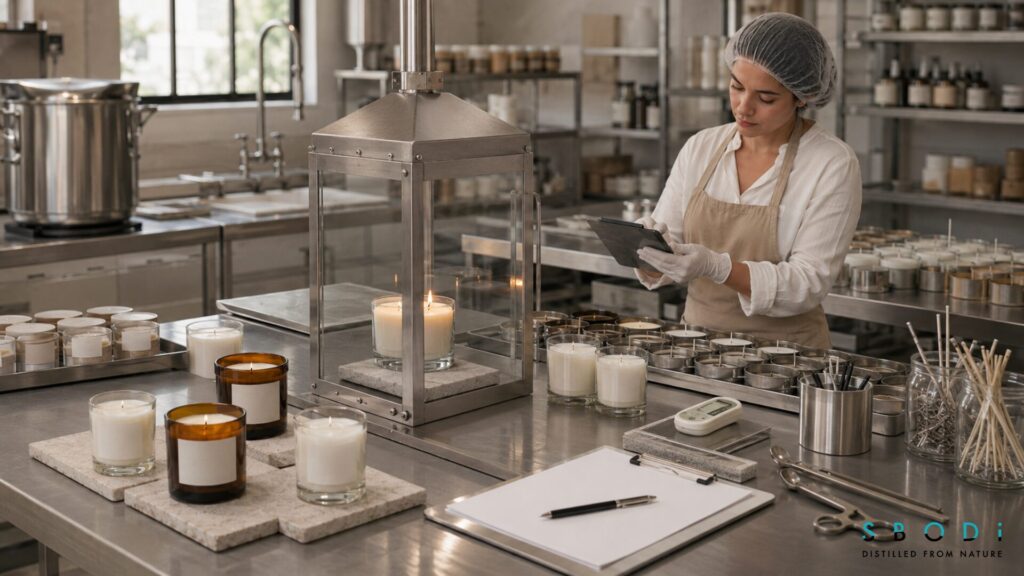
Wax type alone does not determine candle quality. Soy, paraffin, coconut-based, beeswax, and blended waxes can perform differently depending on the fragrance, wick, vessel, and production process.
The manufacturer should test the exact finished configuration. Changing the fragrance, dye, vessel diameter, wax blend, or wick may require additional testing.
Ask whether fragrance materials are reviewed against the IFRA Standards, which restrict or prohibit certain materials when safe-use concerns are identified. IFRA conformity does not replace compliance with applicable laws or a complete safety assessment.
Businesses developing private label candles should also review the CPSC candle business guidance. It covers metal-cored wick requirements, cautionary labeling for hazardous substances, and relevant ASTM references.
The National Candle Association’s safety standards overview provides further information about warning labels, glass containers, fire-safety design, and candle accessories.
Packaging for Luxury Positioning
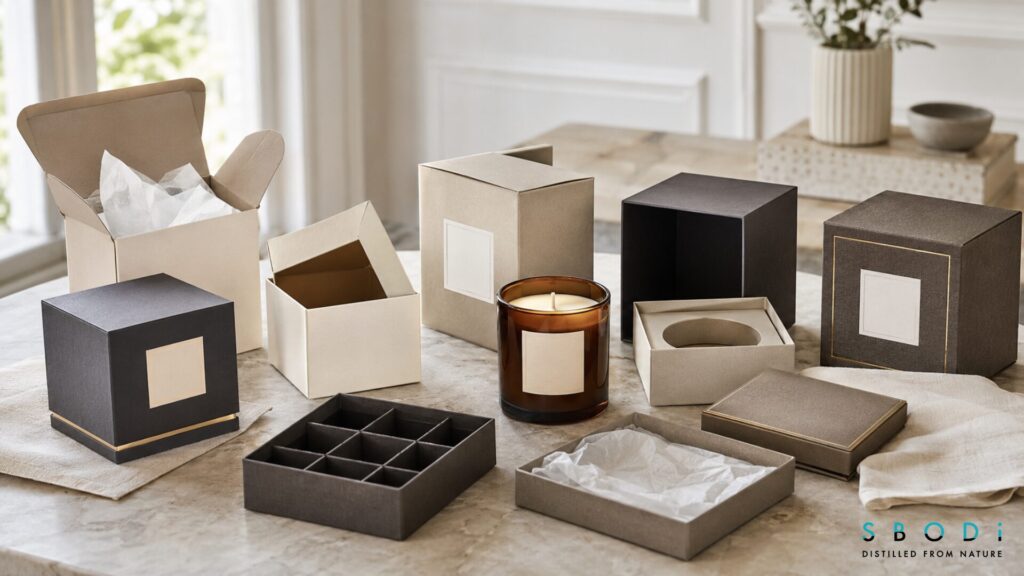
Luxury packaging should feel deliberate, protect the candle, and remain commercially practical.
Important components include:
- Vessel and lid
- Front and bottom labels
- Safety instructions
- Folding carton or rigid box
- Protective insert
- Master shipping carton
Minimal packaging still needs accurate product and safety information. Claims such as “eco-friendly,” “non-toxic,” or “sustainable” should not be used without appropriate evidence and qualification.
The FTC Green Guides explain how environmental marketing claims should be truthful and substantiated.
Brands should also test the complete packaged candle for label scuffing, broken vessels, lid movement, and carton damage during shipping.
How to Evaluate a Candle Manufacturer

For brands comparing private label candles USA suppliers, dependable production is more important than the lowest advertised unit price.
Ask each manufacturer:
- Which wax, wick, fragrance, and vessel options are available?
- How is burn performance tested?
- What is the minimum order per fragrance?
- Are labels, cartons, and setup fees included?
- How are production batches tracked?
- What are the production and reorder lead times?
- How are defects and transit damage handled?
- Will the same vessels and components remain available?
- Can approved specifications be provided in writing?
Compare landed cost, communication, testing, and reorder reliability rather than choosing a supplier by product appearance alone.
Common Development Mistakes
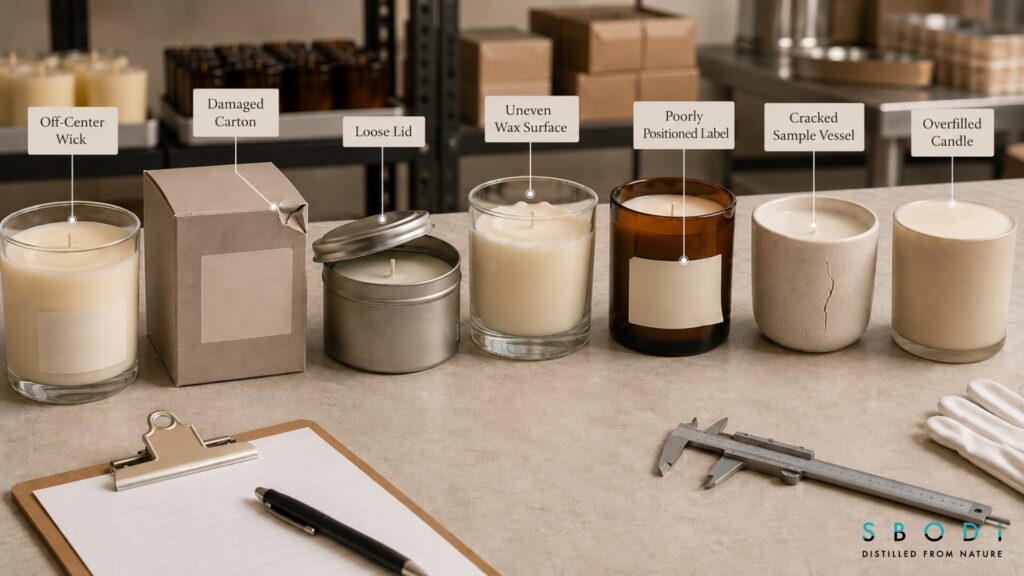
Avoid these common errors:
- Launching too many fragrances
- Choosing a vessel before setting the retail price
- Approving fragrance without burn testing
- Assuming all soy wax candles perform alike
- Changing components without retesting
- Using decorative glass not intended for candles
- Making unsupported environmental or wellness claims
- Ignoring packaging weight and breakage
- Ordering without written specifications
- Failing to confirm reorder availability
A controlled opening order provides better sales data and limits inventory exposure.
Current Candle Trends
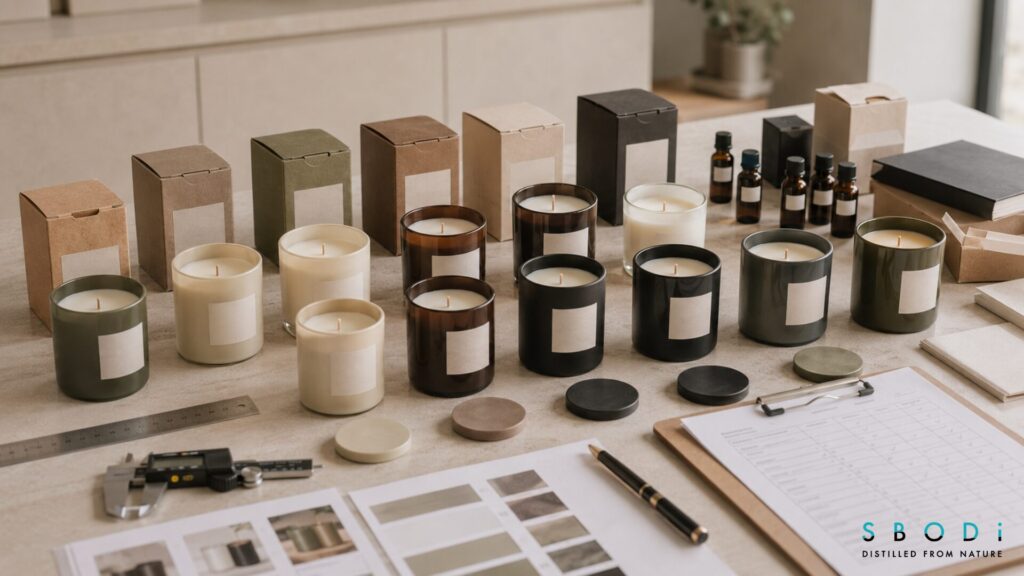
Luxury candle development increasingly favors restrained vessels, discovery sizes, coordinated wax melts, seasonal fragrance stories, and gift-ready packaging.
Brands are also using fragrance to connect products with places, routines, hospitality environments, and broader self-care collections.
However, trends should support the intended customer rather than replace testing, cost analysis, or long-term brand consistency.
SBODi Candle Resources
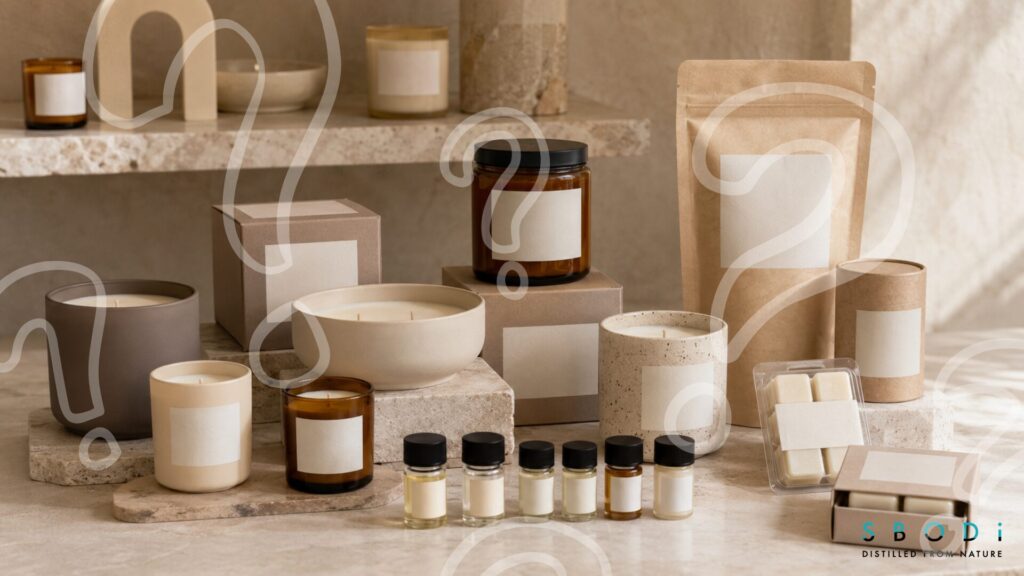
SBODi works within wholesale and private label candle, wax melt, bath, body, and wellness categories.
For a broader explanation of candle formats, waxes, wicks, packaging, pricing, safety, and supplier comparison, read the complete wholesale candles guide.
Businesses comparing production models can also review the private label candles wholesale US guide or browse SBODi’s private label candle collection and scented candles.
Brands building a wider self-care range may coordinate candles with wholesale bath bombs, shower steamers, or private label bath salts.
Each product category should still be evaluated using its own formulation, testing, labeling, packaging, and cost requirements.